
Ask a customer which shoes she wears most, and the honest answer is often a pair that never leaves the house. The running shoes come out three hours a week. The work shoes carry the commute and the office. The slippers, the sandals by the door, the padded slip-ons worn from breakfast to bedtime — those carry everything else, and for some customers that everything else is the majority of the week. Yet when people order insoles for slippers and sandals at all, it is usually as an afterthought. That order is backwards, and this article works through what fixing it looks like: how to account for indoor hours on the intake form, what a soft slipper or an open-heel sandal changes about a build, whether one pair can honestly serve the house and the street, how wear shows up when the load is low but the hours are long, and what to tell the workshop when the brief finally includes the shoes nobody measured for. The aim is not to sell a second pair to every customer. It is to make sure the hours that dominate the week are represented in the conversation at all.
The shoes that carry most of the day
Every assessment room has met the customer who describes an active life, then mentions in passing that she has not worked outside the home in years, or spends the whole day on her feet in canvas slip-ons that no assessment has ever covered. The shoes that get assessed are the shoes the customer thinks of as her shoes: the trainers, the work boots, the pair bought for the trip. The shoes that carry the hours are furniture, and furniture does not get measured.
The hours arithmetic is worth doing out loud with the customer, because it surprises most of them. Take a typical week and ask where the hours go: sleep is off the list, but the waking hours split into whatever the calendar says. A customer with a sedentary job and an evening running habit may spend five or six hours a week in trainers and forty at a desk in soft indoor shoes. The load per hour is lower in the slippers, certainly. But load is a product of demand and duration, and forty hours of low demand is not nothing — it is the largest single loading environment in the customer’s week, and nobody has ever looked at it. Rooms that explain this in one sentence — the shoes you rest in are still shoes — usually find the customer has already made the argument for them before the sentence ends.
What the intake form should ask about indoor hours
The fix starts on paper, before any build is discussed. A standard footwear question — which shoes do you wear most — gets answered with the shoes the customer is proudest of. A better question is a small table on the intake form: morning, afternoon, evening, weekend, with one line per slot asking what is on the feet. The customer fills it in while waiting, and the pattern jumps off the page. And after six in the evening, what is on your feet? Slippers. All weekend? Sandals, if it is warm, slippers if it is not. The fitter reads the table, and the conversation about indoor footwear starts itself.
The table should also capture the floor, because indoor footwear lives on surfaces outdoor shoes never meet. Tile, bare concrete, hardwood — each is harder underfoot than any street, and a soft slipper on a hard floor is a different loading environment from the same slipper on carpet. One line on the form: floors at home mostly hard or mostly soft? The customer knows the answer instantly and has never been asked it. What the room does with the answers is a matter of honesty rather than sales: the customer who spends sixty waking hours a week in slippers deserves to hear that those hours exist in her own record, and that there is a build designed for them if she wants it. The table makes the conversation factual instead of speculative.
What a slipper changes in a build
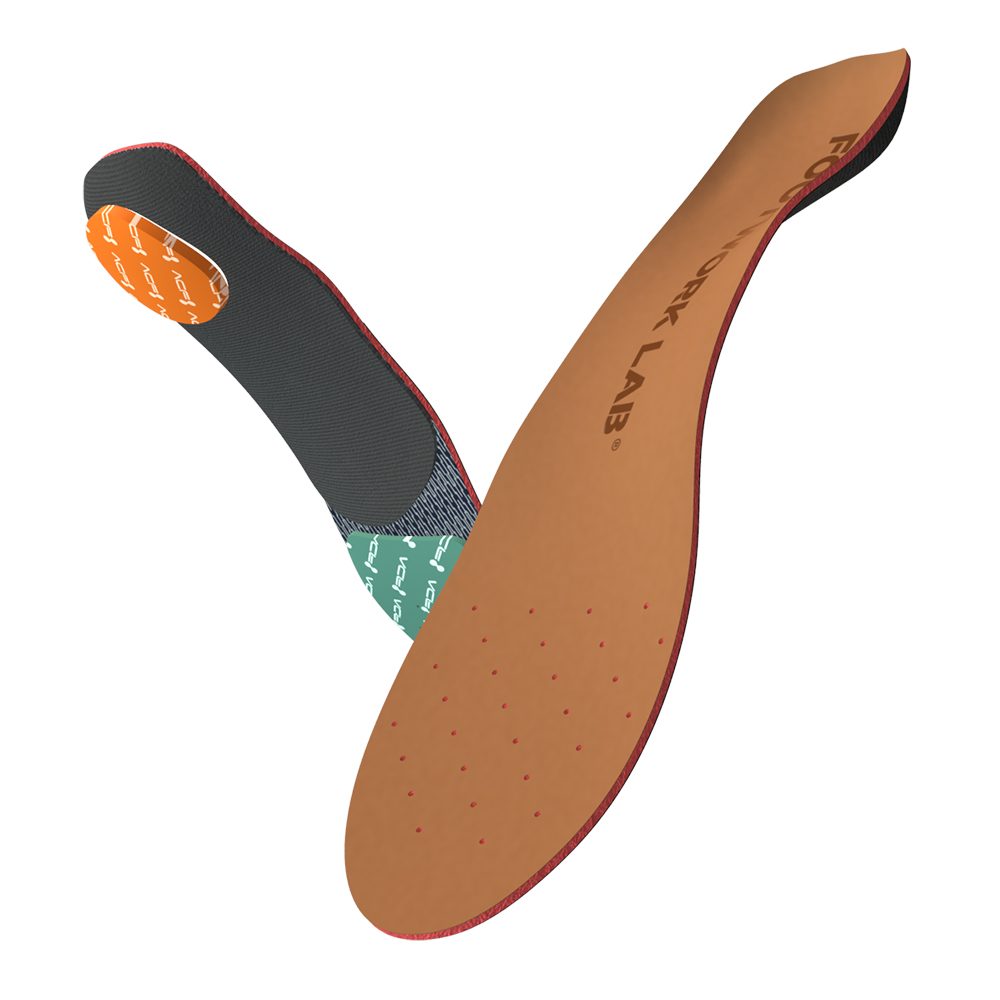
A slipper is the least forgiving shoe a custom insole will ever live in, and the differences start with structure. There is usually no firm heel counter to seat against, so the insole cannot rely on the shoe to hold its position; the build has to carry its own shape. Uppers are soft and give freely, which means volume inside the shoe is generous in some directions and tight in others — a toe box that looks roomy can still press a full-length build against the seam. And the sole is thin, so anything added underneath the foot is felt immediately.
Thickness, then, is the first conversation with the workshop. A build for indoor wear generally wants a lower profile through the arch and heel than a build for structured shoes, because every extra millimetre of height arrives at the customer’s foot as a seam, a ridge, or a slipper that no longer closes properly. The top cover matters in the same way: indoor footwear is worn against bare skin or thin socks for hours, so the surface has to feel comfortable warm, dry and seam-free, not merely durable. Our article on where softness stops helping covers the related question of when cushioning does the job and when it quietly removes control.
The workshop side of this is routine, and it starts with the brief saying plainly what the build is for. A spec that reads: for soft indoor footwear, worn on hard floors, bare feet most of the year, gives the production team everything they need. A spec that reads: everyday pair leaves them guessing, and the guess usually comes out too thick for the shoe it has to live in.
Sandals: the open-heel problem
Sandals fail differently. Where a slipper at least wraps the foot loosely, an open sandal — a slide, a strap sandal, anything with an exposed heel — offers nothing at the back for an insole to seat against, and the whole retention question moves to the front and the sides. A full-length build with a heel cup shaped for a closed shoe will simply slide backwards out of an open sandal on the first dozen steps. The room needs to say this before the customer discovers it at home; it is the most common complaint when indoor builds go wrong.
The practical answers are geometric. The build can be trimmed to sit within the sandal’s footbed outline, with the shape traced from the sandal itself rather than assumed from a standard pattern. The heel can be carried by the sandal’s own cup where one exists, or the build can be shaped so that the arch and forefoot do the positional work. And in the openest designs — toe-post sandals above all — the honest advice is sometimes that this pair will not hold a build at all, and the customer’s indoor hours belong in a different shoe. How attachment actually works, why surfaces get primed and why some footbeds hold while others shed, is treated in detail in our piece on adhesive, primer and press.
What makes sandal work manageable is that the decision happens before production, on the bench with the actual sandal in hand. The fitter traces the footbed, checks what the straps and the sole will tolerate, and writes the conclusion on the build sheet: fits this sandal, trimmed to footbed line, no heel cup; does not suit the toe-post pair. Two lines of writing save a rebuild, a return postal exchange and an unhappy customer, and they cost the fitter five minutes with a pencil.
Whether one pair can serve the house and the street
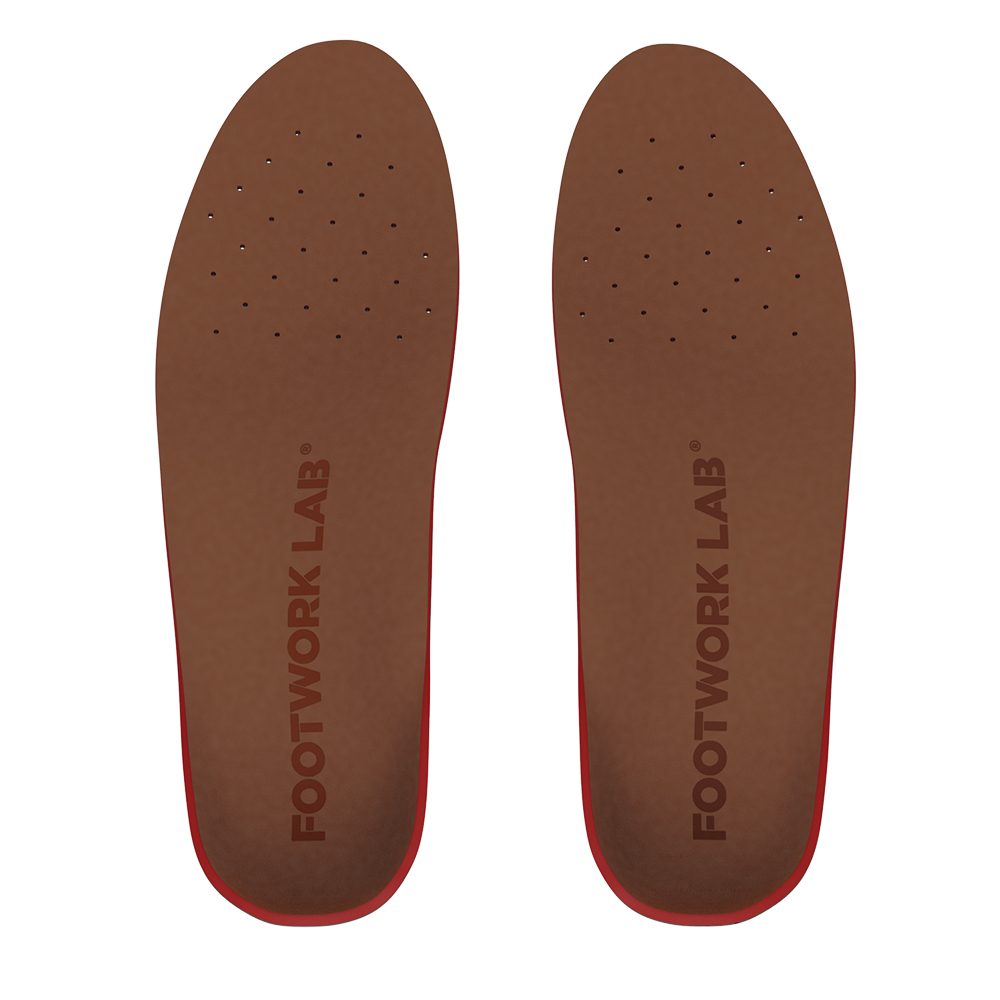
The question arrives at every fitting eventually: cannot I just move one pair between everything? The honest answer is usually no, and the reason is volume. A build is shaped by the space it has to live in — the depth at the toe, the width at the ball, the height of the heel counter, the taper of the sole. A pair built for the generous interior of a house slipper will lift the foot towards the collar in a fitted walking shoe; a pair built down for a slim indoor sandal has given away support the walking shoe was relying on. Customers understand the point immediately once it is demonstrated with the two shoes side by side on the bench.
There are forgiving middle cases. Loose slip-ons and wide house shoes can sometimes share a build, and a customer whose indoor and outdoor footwear are similar in volume may genuinely get away with one pair. The test is practical, not theoretical: does the build sit level, does the foot sit on it the same way in both shoes, does anything shift or bunch over the first hour of wear. If those check out, one pair is the right answer, and selling a second would be padding the order rather than serving the customer.
The converse case deserves a sentence too. Some customers already own an insert — a bought cushioning layer, a pair from a previous clinic — and want it layered under a new build for the house. Whether two layers stack sensibly depends on the volume they consume together, and our article on layering when a customer already owns an insert walks through that decision. What it should never be is a surprise discovered at home.
How low-impact wear shows up at the review
Indoor builds age differently from street builds, and the difference matters at the review. Outdoor wear argues mostly through abrasion: the tread thins, the top cover scuffs, the heel edge wears visibly. Indoor wear argues mostly through time under low load: the top cover glazes smooth under a foot that barely slides, the cushioning takes a slow compression set from hours of standing and pottering, and the shape drifts where the foot rests rather than where it pushes. A three-month check on an indoor pair reads differently from the same check on a walking pair, and the fitter needs to know which signs belong to which environment.
The review conversation also runs differently, because indoor customers under-report wear. Nothing looks worn, so the customer assumes the pair is fine and nearly skips the appointment. The useful question is not how do they look but where do you notice them: does the slipper feel flatter under the arch than it did in the first month, does the foot slide forward through the day, does the sandal hold the same way it did at fitting. Our article on reading a top cover for wear rather than age covers the inspection itself, and the same method applies here — but the customer’s verbal answers carry more weight on an indoor pair, because the visual signs are quieter.
There is one more indoor-specific behaviour worth capturing in the record: the customer who takes the builds out at home entirely. Some people go barefoot indoors as soon as they cross the doorstep, and a pair built for sixty hours of indoor wear is built for a customer who actually wears twelve. Our piece on what customers do with a pair they paid for at home makes the same point: ask, at fitting, whether the slippers stay on, and build for the hours that will actually happen.
Ordering for the whole day, not just the outing
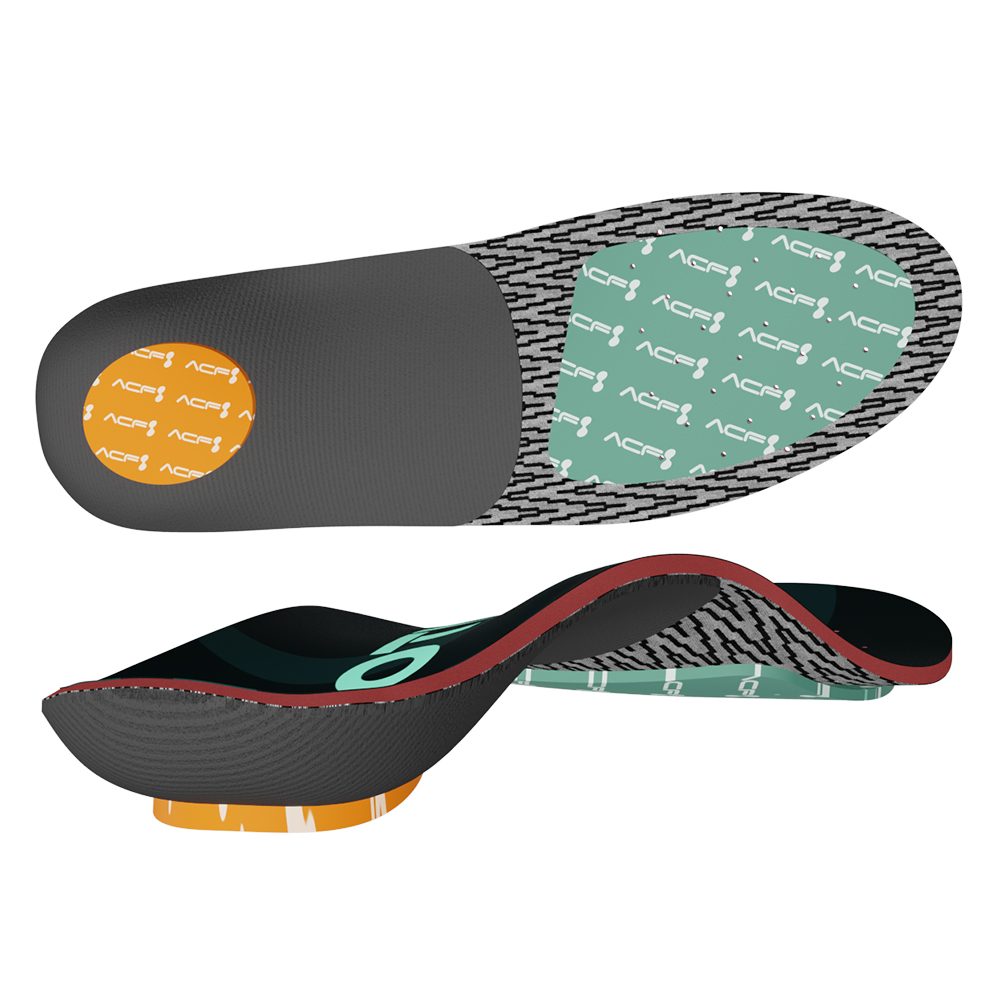
When the brief finally includes the indoor pair, the ordering conversation changes shape slightly, and partners who sell through clinics and retail counters handle it in a few consistent ways. The build spec travels with the same record as the street pair — same captures, same intake table, one extra line for footwear environment — so the workshop sees both builds in context. Colour and finish choices are often made differently for the house pair: darker covers that hide wear, surfaces chosen for bare skin, nothing that needs to look formal. None of this changes the production path; it changes the notes that travel with the order.
For partners ordering stock or planning a first batch, the indoor conversation is also a sales-shape question, and it is worth stating plainly: this is not a second sale to the same customer, it is coverage of hours the first sale never touched. Retail partners who present it that way — the running pair covers the training, the house pair covers the other hundred hours — find customers agree or decline quickly and without resentment, because the argument is about hours, not upgrade pressure. Our overview of insole categories shows how the daily-wear range sits alongside the sport and work ranges.
The last practical note belongs to the samples. A partner who is unsure how an indoor-spec build lands in real slippers can hold one in a sample pair before committing a batch, because sample pairs ship within days of specification. The gesture costs the production line almost nothing and settles the argument about feel, which is an argument nobody wins on paper.
Frequently asked questions
Can a custom insole really work inside a soft slipper?
Yes, with a build specified for the environment: lower profile through the arch and heel, a top cover chosen for bare skin, and the brief stating the shoe type on the order. What fails is dropping a standard build into a slipper and hoping — the thickness shows immediately and the fit complains within a day.
Will an insole stay in place in an open-heel sandal?
Only if the build is shaped for the sandal, usually traced from the footbed and trimmed to its outline. Without a heel counter to seat against, a standard full-length build slides backwards. For the openest designs, such as toe-post sandals, the honest answer may be that this shoe will not hold a build at all.
Can I use the same pair indoors and outdoors?
Sometimes, when the indoor and outdoor shoes are similar in volume. The test is practical: the build sits level, the foot rests on it the same way in both shoes, and nothing shifts over the first hour. If the volumes differ much, a second build specified for the indoor shoe serves better than one compromise pair.
Do indoor pairs need a review appointment like street pairs?
Yes, but read differently. Indoor wear shows as glazing, slow compression set and shape drift rather than visible abrasion, and customers under-report it because nothing looks worn. Ask where they notice the pair rather than how it looks, and inspect the top cover the same way as any other build.
My customer goes barefoot at home. Is an indoor build pointless?
Ask when the slippers are actually worn — evenings, cold months, hard-floor kitchens — and build for those hours. A customer who wears the indoor pair a fraction of the assumed hours may be served better by a simpler build, or by leaving the indoor question open until the habit is clear.
What should the workshop be told when ordering an indoor build?
The environment, in plain words: soft indoor footwear, hard floors, worn with bare feet or thin socks, hours per week estimated from the intake table. That lets production set the profile and cover correctly. A spec that just says everyday pair leaves the trade-offs to a guess.
Can customers layer their existing insert under an indoor build?
Only where the combined layers fit the shoe’s volume without lifting the foot or bunching at the toe. Check it on the bench with the actual shoe before agreeing, and say plainly if the answer is no. A stacked pair discovered at home is a return waiting to happen.
What we would do next
Add one row to the intake form this week — evening and weekend footwear — and see how many records quietly fill themselves with slipper hours. When an indoor build is ordered, write the environment on the spec in plain words, and trace the sandal footbed before promising anything about open-heel pairs. The insole categories page shows where the daily-wear range sits for partners planning stock, and our articles on adhesive, primer and press and reading a top cover for wear cover the two technical points this topic raises most often. Answers to the questions partners send most often live on the FAQ page, and anything specific to a customer goes fastest through the contact page.
This article is intended for professional and educational reference. It is not medical advice. Foot assessment equipment produces measurements and images; clinical interpretation and any decision about care remain the responsibility of a qualified professional. Certification scope is limited to the documentation we hold: European Union certification and ISO quality system certification.