
Most buyers searching for orthopedic insoles for feet are choosing
between two very different supply models without realising it. One model is the catalog:
pre-made insoles in set sizes and standard shore levels, ordered by the carton, stocked on a shelf.
The other is production: insoles made to the data of an individual foot, in a workflow that
involves assessment, specification and manufacturing. The two models look similar in product
photos and behave completely differently in a business. This article is written for buyers
weighing that choice — clinics adding an insole service, retailers upgrading from shelf stock,
distributors deciding what to carry.
FOOTWORK LAB manufactures custom orthotic insoles in its own plant in Ruichang, Jiangxi
Province, alongside the foot assessment equipment that feeds those orders with data. Because we
run both sides — the measurement hardware and the insole production — we see daily what changes
when a business moves from catalog supply to data-driven production, and where the transition
goes wrong when it is rushed.
Nothing here requires you to buy from us. The questions below apply to any supplier conversation
in this category, and the buyer who asks them early will get better outcomes from every
quotation they collect.
A framing note before the sections begin: nothing in this article argues that catalog
products have no place. They serve real needs — quick replacement, everyday comfort,
price-sensitive retail — and plenty of businesses run them honestly. The question for a buyer
at the crossroads is narrower and more personal: does the business you are building compete on
convenience, or on measurement? The costs, the margins and the customer relationships differ so
much between those two answers that the insole itself is almost a detail.
What “orthopedic” means in trade, and what it does not
In everyday retail language, “orthopedic insoles” has become a comfort claim, printed on foam
inserts in every pharmacy. In the trade, the word carries a stricter meaning: an insole specified
to an individual foot, built on measured data rather than on a size run. The distinction is not
cosmetic. A catalog insole is manufactured to the average of a population; an orthotic insole is
manufactured to one foot, with its particular load pattern, its particular dimensions and its
particular use case.
This matters commercially because the two products occupy different price tiers and different
margin structures. A retailer selling shelf-stock inserts competes on convenience. A clinic or
fitting business selling measured, made-to-order insoles competes on professional value — the
assessment, the specification, the follow-up. The second business is harder to copy, and that is
precisely why so many of our customers are businesses making this exact transition.
The word also carries a boundary worth stating plainly: an insole is a wearable product, not a
medical procedure. It redistributes load and provides structure. What it cannot do is promise
clinical outcomes, and buyers should regard any supplier who promises them with caution — the same
caution we ask our own customers to apply.
Catalog supply versus measured production: the real differences
The first difference is inventory. Catalog models require the buyer to stock sizes and variants
in advance, tying capital to shelves and exposing the business to dead stock. Measured production
requires no insole inventory at all — the input is data, and each order is manufactured after the
assessment. For a clinic, this removes the entire warehousing question. For a retailer, it converts
shelf space into consultation space.
The second difference is fit quality. A size-run insole must tolerate the extremes of its size
band, which means it is compromise by design. A produced insole corresponds to the foot it was
specified for, which changes how the wearer experiences it — and how the business talks about it
honestly, without overclaiming.
The third difference is workflow. Catalog supply needs a purchasing decision; measured
production needs an assessment capability. This is why the two product lines often arrive
together in our orders: businesses adding insole services almost always add foot assessment
hardware in the same project, because the assessment is what makes the product defensible.
The economics deserve their own paragraph, because they are where the transition either
makes sense or does not. Shelf-stock insoles carry a purchasing margin: buy at trade, sell at
retail, and the difference is the business. Measured insoles carry a service margin: the
assessment, the specification and the follow-up are all part of what the customer pays for, and
each adds value that a shelf product cannot claim. Businesses that try to charge service prices
without the service — a shelf product with a measurement story attached — eventually meet the
customer who asks what, exactly, was measured. The honest answer is the whole business
model.
What the production workflow actually looks like
Buyers who have never ordered made-to-measure insoles usually imagine something exotic. The
workflow is methodical. It begins with foot data — from a plantar pressure assessment, which
records how load distributes under the foot in stance and movement, and from posture and
alignment capture, which records how the leg lines up over the foot. Together those two data
streams describe the foot well enough to specify a device.
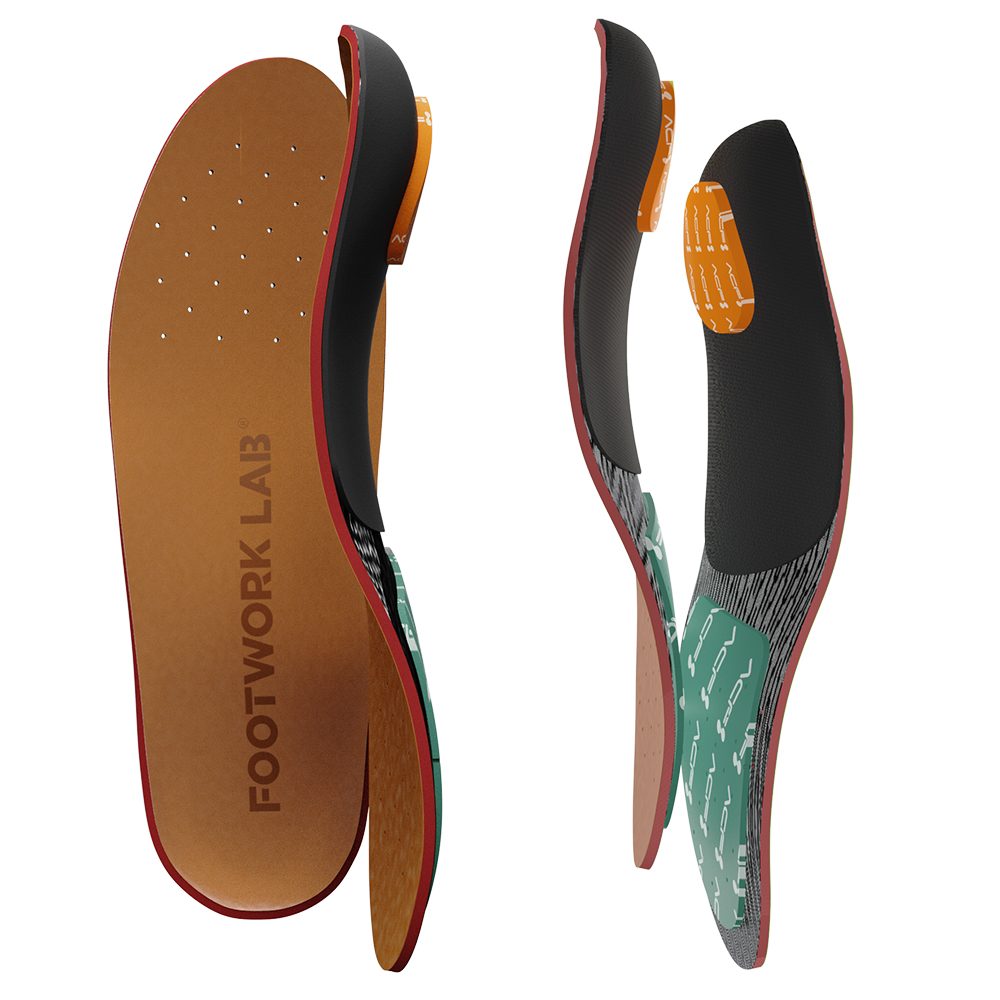
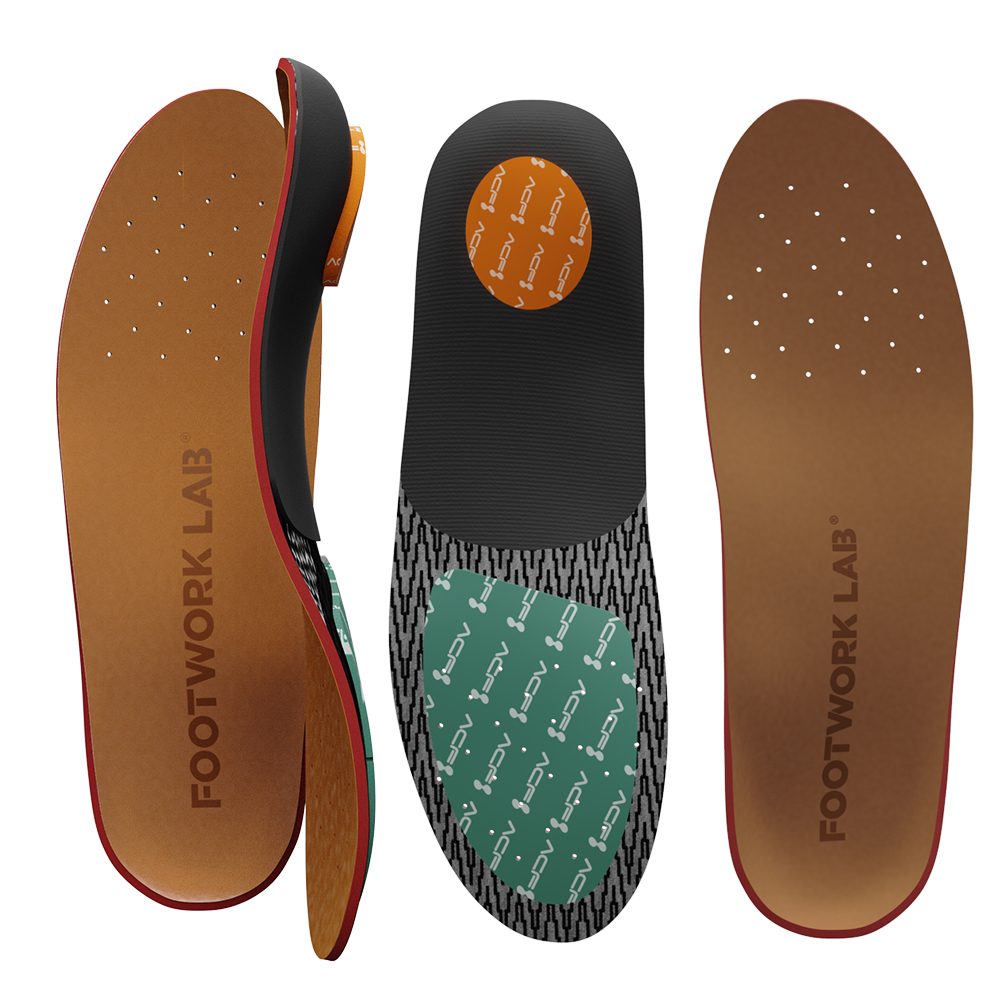
Specification is where professional judgement enters. Shell stiffness, cushioning layers,
top-sheet material, the shape of the arch region — these are chosen against the data and the use
case, not from a menu of three options. This is also why the supplier’s material range matters:
a factory with a narrow material palette will fit every foot to the same few builds.
Production follows: the shell is formed to the specification, layers are assembled, and the
pair is finished and inspected. In our plant, daily capacity runs at roughly five hundred to a
thousand pairs, which sounds large until you remember that each pair in that count corresponds to
an individual specification. Sample pairs ship within three days of specification approval, so a
buyer can hold the output quality before committing to volume.
Minimum orders, mixing and what a first order really requires
The question every first-time buyer asks is about volume. Our minimum order quantity for
insoles is two hundred pairs, and those pairs can be mixed across models and sizes — because we
understand that a clinic’s first two hundred pairs are not two hundred identical prescriptions.
The mixed MOQ exists precisely so that a new service can cover a realistic first cohort of
patients or customers without over-committing to any single specification.
What a first order actually requires is upstream of the factory: an assessment workflow that
produces usable data, and a specification process — either your own clinical team, or our team
working from your data. Buyers sometimes assume they need a fully trained specialist on staff
before starting. In practice, most start with a simpler flow and grow the specification skill as
order volume grows.
On data quality, since everything downstream inherits it: a recording taken casually
produces a specification written casually. The operators worth training are the ones who keep
conditions consistent — same instructions, same standing posture, same walking passes — so that
the data from two customers can be compared and the data from one customer can be compared
across visits. None of this is difficult; all of it is discipline. A service that invests a
week in capture discipline at launch saves months of specification confusion afterwards.
Customisation: OEM and ODM in the insole trade
The terms confuse buyers because they mean different things on machines than on insoles. On
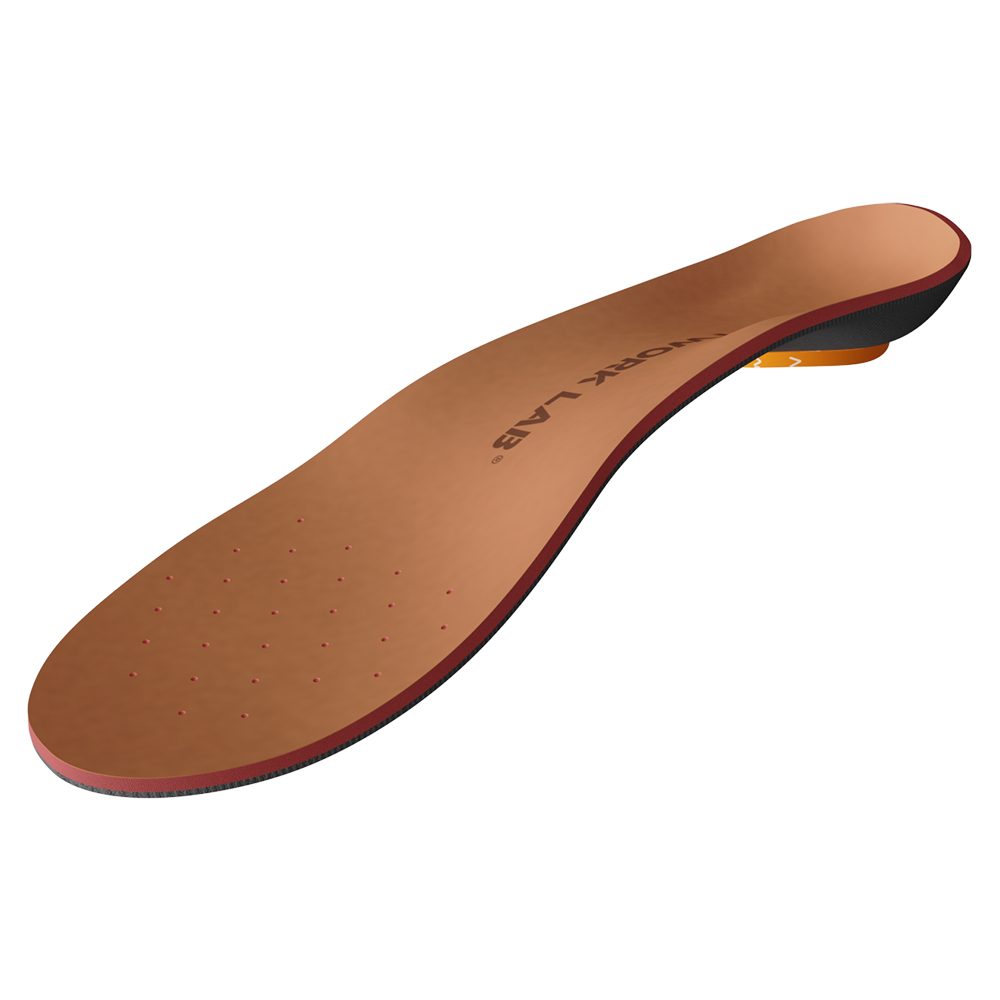
insoles we accept both OEM and ODM. In practice, OEM means manufacturing to your brand and
packaging against your specification; ODM means we carry more of the design work — material
selection, model structure, product naming — while you carry the market. For a distributor
building a private label, the choice between them is mostly about how much product development
capability you want in-house versus at the factory.
Both routes benefit from the same underlying asset: a factory that controls its own production
and can adjust builds without a third-party negotiation in the middle. When market feedback
pushes toward a softer top sheet or a different shell stiffness, the change happens at the forming
line, not in a two-month email chain with a subcontractor. That responsiveness is the real difference
between sourcing from a factory and sourcing from a catalog — not the logo on the box.
Buyers sometimes ask whether the factory relationship locks them in. It does the opposite
when it is set up well: a factory that controls its own production can adapt a build, adjust a
material or scale a quantity without a third-party approval loop, which means your product
decisions stay yours. The lock-in risk in this trade sits with resellers — intermediaries who
cannot change anything technical and must relay every request upward, on their own schedule and
at their own markup. Ask every candidate supplier one diagnostic question: if we need a
different shell stiffness for our market, who makes that change, and how long does it
take?
Logistics, timelines and planning a launch
Insole logistics are friendlier than machine logistics: no calibration concerns, no freight
surprises, lighter cartons. Our standard shipping windows are six to seven working days by
express, ten to twelve by air, and thirty to thirty-five by sea. For a launch plan, the sample
cycle dominates the calendar — specification approval, sample dispatch within three days, wear
and fit feedback, then production. Most businesses that plan the sample phase properly find the
production phase uneventful.
Planning a launch also means planning the assessment side: which hardware records the data,
where the assessment happens, how long a session takes, and what the customer sees. Businesses
that see the insole as a product and the assessment as an afterthought tend to struggle;
businesses that design the assessment experience first tend to find the insole almost sells
itself, because the customer watched their own data being recorded.
A practical launch sequence, assembled from orders we have watched succeed: choose the
assessment hardware first, and have it installed before any insole conversation begins; run
capture practice on staff and volunteers until the recordings are consistent; send the first
real batch of data to the production team and review every specification against every
recording; put sample pairs through the hands of real customers, in real footwear, and collect
honest feedback; then confirm the production order — two hundred mixed pairs for most first
programmes — with the launch date already on the calendar. Businesses that follow that order
tend to find the launch uneventful, which is the compliment this trade pays to good
preparation.
What we would ask in your position
Before comparing quotations, ask every supplier the same four things. What data do you need
from us to specify a pair — and can you work from our existing assessment equipment? What is the
minimum order, and can it be mixed? Who does the specification — our team, your team, or both?
And what happens when a pair does not fit as intended — what is the remake policy?
The fourth question is the one buyers forget and the one that reveals the most. A factory that
stands behind its production will answer it without hesitation and in writing. We hold ourselves
to the same standard we suggest: clear scope, honest boundaries, and no outcome promises the
product cannot keep.
One more question worth asking, and it is about language: what will your supplier let you
say about the product? A factory confident in what it makes has no interest in customers
overclaiming — an insole that redistributes load and provides structure is a product with a
real, describable value, and inflated promises only create the returns and the distrust that
follow disappointment. We would rather our customers describe the product modestly and keep the
customer for years than describe it grandly and lose them once. Ask each supplier to show you
the wording they use on their own site; it is a fair preview of the language they will help you
build.
Frequently asked questions
What is your minimum order for custom insoles?
Two hundred pairs, and the quantity can be mixed across models and sizes. The mixed minimum
exists so a new service can cover a realistic first cohort without over-committing to a single
specification.
Do you accept OEM and ODM on insoles?
Both. OEM means production against your brand and specification; ODM means we carry more of
the design and material decisions. On machines we accept ODM, with machine OEM discussed case by
case.
How fast can I receive samples?
Sample pairs are dispatched within three days of specification approval, so you can evaluate
the build quality before committing to production volume.
What data do you need to produce a pair?
A plantar pressure recording of the foot in stance and movement, plus posture and alignment
capture, gives our team what it needs to specify shell, layers and top sheet against the use
case.
What is your daily production capacity?
Roughly five hundred to one thousand pairs per day, each pair produced to its individual
specification rather than to a size run.
How long does shipping take?
Six to seven working days by express, ten to twelve days by air freight, and thirty to
thirty-five days by sea, depending on destination and clearance.
Are you a factory or a trading company?
A factory. We develop and produce insoles and the assessment equipment that feeds them, in our
own plant in Ruichang, Jiangxi Province, operating since 2018.
What we would do next
If you are moving from shelf stock to measured production, start by choosing the assessment
hardware that will generate your order data — our F2 and FMP
platform covers the combined pressure and posture workflow most insole services need, and the
insole categories page shows the product families available for
mixing into a first order. For the standing answers behind this article — MOQ, samples, OEM and
ODM, warranty and logistics — see the FAQ page. When you are ready to spec a
first batch, the contact page reaches our production team directly, and
the factory page shows you the plant the orders run through.
This article is intended for professional and educational reference.
It is not medical advice. Foot assessment equipment produces measurements and images; clinical
interpretation and any decision about care remain the responsibility of a qualified professional.
Certification scope is limited to the documentation we hold: European Union certification and ISO
quality system certification.