
A buyer opens three listings on a tablet and asks which of the three machines makes an insole. The first shows a foot on a plate with a light pattern across the arch and a caption about capturing the foot. The second shows a bench with a heating chamber, a press and a rack of moulds, and a caption about forming. The third shows both, photographed from a distance, with a workshop behind them and a title that promises the whole process. All three listings sit under the same search phrase, and only one of them is describing a single product. The other two are describing halves of a workflow that a real workshop runs as one chain. This article is written for the buyer who has to accept a line rather than admire one: what the two halves actually are, what to check on each before signing, how the four stages of our own line fit together, and which terms — minimum order, factory test, warranty, tooling — belong in the same conversation as the equipment list.
Two halves are sold under one title
The search phrase has three parts and only two of them describe hardware. The middle words name a product: an insole that is made for one foot rather than a size. The last word is the adjective the market attaches to the modern end of the category, and it belongs to the capture half far more often than to the forming half. What the phrase never says is that capture and forming are different purchases, made by different people in the same building, with different failure modes and different acceptance tests.
The capture half answers a question: what is this foot, and what should be built for it. Its output is a specification — measurements, a load pattern, an alignment note, a style and a grading — that a bench can act on. The forming half answers a different question: given this specification, can we produce the same object reliably, at volume, with the same result on Tuesday as on Monday. One half is about information; the other is about repeatability. A listing that photographs both and prices neither has told a buyer nothing about either.
This matters because the two halves fail in opposite directions. A capture that is unstable produces specifications that drift, and the drift only becomes visible when the same customer is measured twice and the two builds differ. A forming step that is inconsistent produces good specifications built badly, which is worse, because the fault is invisible until the customer has worn the pair for a month. A buyer who tests only one half will discover the other half’s weakness in the field.
So the first useful move is to draw a line down the middle of the page and put every claim on one side or the other. Anything about resolution, image, model or file belongs on the capture side. Anything about heat, pressure, cycle, mould, trim or finish belongs on the forming side. Claims that will not sit on either side — throughput, uptime, support, training — belong to the third column, which is the one that decides whether the line runs in year two.
What the modifier is doing in a listing
In the listings, the modifier at the front is doing the work of a category label. It tells a buyer that the machine belongs to the modern end of the market rather than to a bench with a hand press, and it attracts the searches that use the same word. That is a reasonable use of language and it is not a specification. Two workshops can both use the word and mean entirely different things by it: one captures a surface, one records load, one does both in separate steps and one is simply repeating what its competitors write.
Our own line is not a surface capture device and there is no laser in it. The first stage of our chain takes a recorded specification — the foot measurements, the load record, the alignment note, the style and the grading the clinician or fitter has asked for — and turns it into a work order the bench can follow. The difference is worth being blunt about, because a buyer who expects a modelled foot to come out of the capture stage will be disappointed by a specification sheet, however well organised. If the workflow needs a surface model for a carving step, that is a different purchase and we will say so in the first conversation.
What the specification sheet does better than a model is travel. It can be read by a bench operator who has never met the customer, checked against a build sheet, corrected without re-running a scan, and stored in a folder that survives staff turnover. A workshop producing at volume needs that more than it needs a pretty file. The trade is real and it should be made deliberately rather than discovered in the third week.
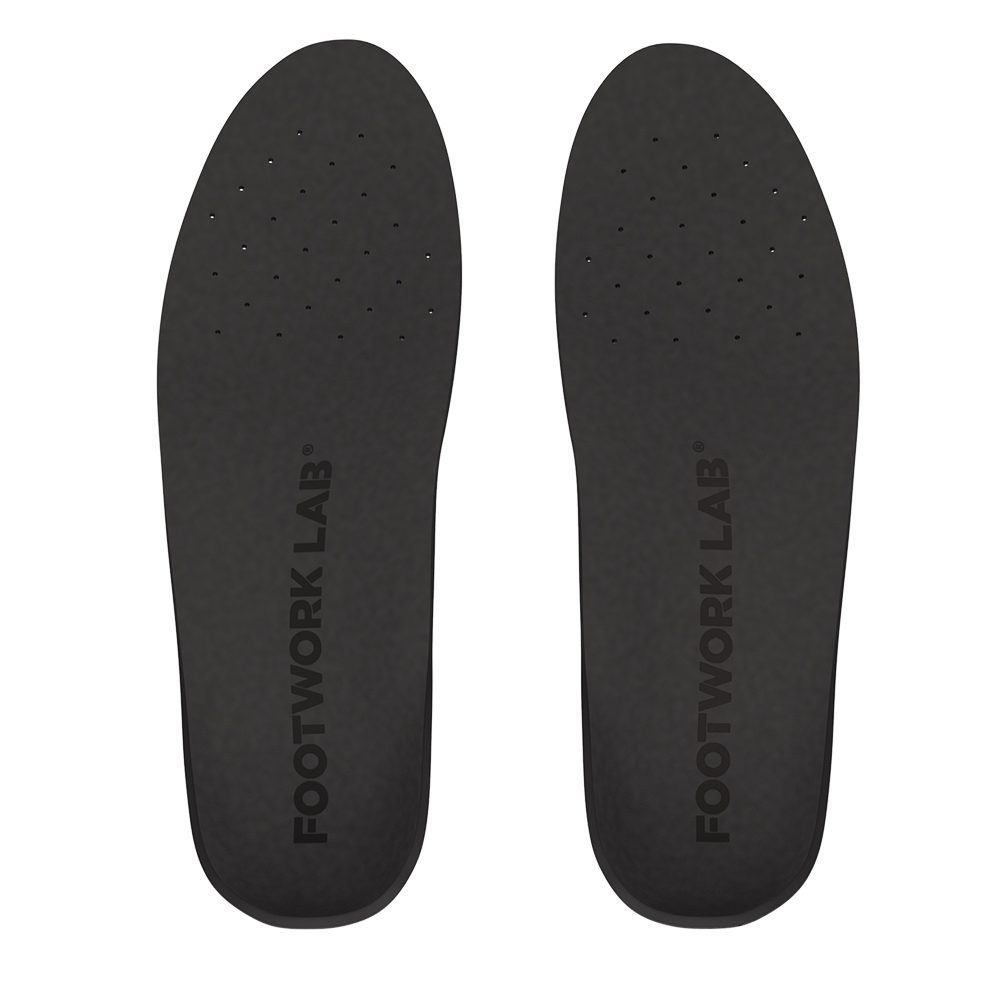
Accepting the capture half
The first acceptance test is repetition, not resolution. Measure the same foot twice, ten minutes apart, with the same operator, and put the two specifications side by side. If the measurements agree and the build request is identical, the capture stage is stable enough to run a business on. If they differ, the cause is usually routine rather than hardware: the customer stood differently, the operator rushed, the surface was not zeroed. Either way, the buyer has learned something a demonstration would not have shown.
The second test is the handover. Who reads the specification, in what form does it reach the bench, and what happens when the person who captured it is on holiday. A capture stage that only its operator can interpret is a single point of failure in a workshop of any size. The practical question is whether a build sheet can be produced from the record by someone else, without a phone call, and whether a correction can be written onto it without repeating the session.
The third test is what the capture stage refuses to do. A system that offers a diagnosis, a recommended build or a severity score has stepped outside its role, and a workshop that leans on those outputs is borrowing authority it does not have. The capture stage should describe; the fitter or clinician should decide; the bench should build what was decided. A supplier who blurs those three is not simplifying the workflow, they are moving the liability.
The fourth test is dull and often skipped: storage. One record per customer per visit accumulates faster than anyone expects, and a specification that cannot be found is worth nothing. Ask where the records live, who can open them, how they are named, and whether a build from last season can be located in under a minute. A workshop that cannot answer that will end up re-measuring customers to solve problems it already solved once.
Accepting the forming half
The forming half is judged on consistency, and consistency is best tested with a batch rather than a sample. Ask for the same build to be produced several times in a row and compare the results: thickness where the specification called for support, the shape of the arch section, the finish at the edge, the way the cover sits. A bench that produces one good pair in front of a buyer and a different pair on a Tuesday is the most common disappointment in this category, and the only defence is repetition in front of you.
Tooling is the second question, and it is where the money hides. A forming bench is only as good as its moulds and pillows: which sizes are covered, whether adult and child forms are both supplied, what auxiliary pieces come with the set, and how a new size is added when a customer asks for one. Our own module ships as a heating chamber, forming pillows in adult and child forms, and a set of auxiliary parts, which covers the range a shop or a clinic actually meets. A buyer should check that the range matches their customer list rather than the list in the brochure.
The third question is what happens to a pair that comes out wrong. Every bench produces some; the useful number is not zero but how quickly a fault is seen and what it costs to correct. A line with a check at the end of forming catches a bad pair before trimming and finishing, which is cheaper than catching it at dispatch. Ask where the checks sit, who performs them, and what is written down. A workshop that answers with a routine is a workshop that has run a batch.
The fourth question is the operator. A forming bench has a rhythm — load, heat, position, press, cool, release — and the rhythm is learned. A supplier who provides training, a written routine and a way to reach an engineer when a cycle misbehaves is providing half the machine. One who ships a bench and a manual has shipped a bench. In our case the support route is a dedicated WhatsApp group with engineers reachable directly, remote assistance when a session or a cycle goes wrong, and over-the-air updates where the unit is on a network.
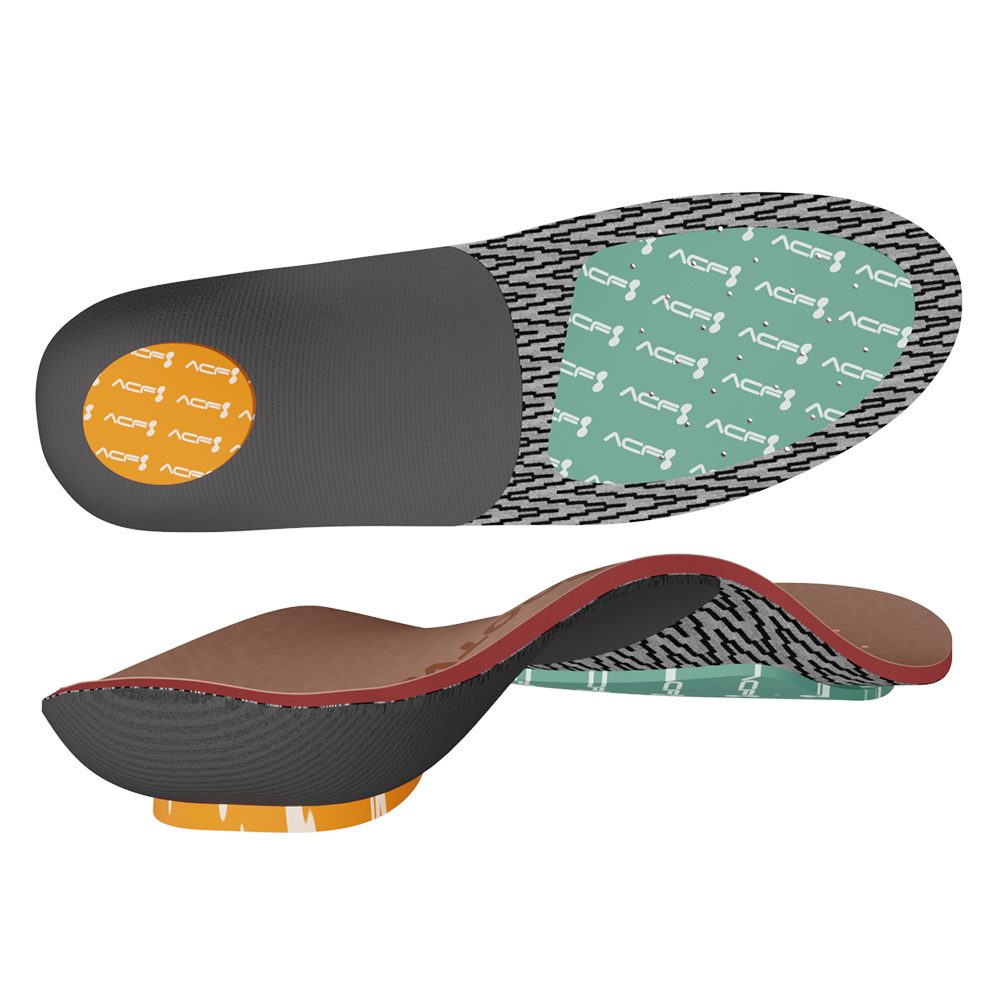
The four stages as one chain
Our line runs as four stages in sequence: capture, forming, trimming and quality check. Each stage has an owner, an output and a check, and the point of describing them in order is that a bottleneck anywhere sets the pace for everything. A capture stage that takes a quarter of an hour per customer and a forming stage that takes minutes will starve the bench; a fast capture in front of a slow check will build a queue of unfinished pairs. Buyers usually discover this in the second month, which is the wrong time.
At the plant, the insole line produces roughly five hundred to a thousand pairs a day depending on style and staffing, and the machine line produces three to five units a day. Those figures are useful mainly as a shape: they tell a buyer whether the line they are looking at is sized for a shop counter, a clinic chain or a distribution business. A shop that fits a dozen customers a week does not need the same bench as a supplier filling orders for a retail group, and buying the larger line to be safe is a common and expensive mistake.
Trimming and finishing is the stage buyers underestimate. It is where the pair becomes something a customer will accept: the edge, the cover, the symmetry between left and right, the way the top sheet sits over the arch section. It is also the stage most dependent on a skilled hand, which is why a line sold purely on automation usually keeps a person there anyway. A buyer should watch this stage in person before ordering, and should ask how long it takes an experienced operator versus a new one.
The quality check is where the record closes. A pair that passes should be traceable to a specification, and a specification should be traceable to a customer session. When that chain exists, a complaint becomes a lookup rather than an argument: the workshop can see what was asked for, what was built and what was checked. When it does not exist, every complaint is settled by goodwill, and goodwill has a cost that never appears on a quotation.
Terms that belong in the same conversation
Minimum order is the first term buyers ask about and the last one they understand. For machines, one unit is the minimum order, which means a single shop can buy a line without pretending to be a distributor. For insoles, the minimum is two hundred pairs, and those pairs can be mixed across styles and sizes, which is what makes a first order workable for a shop that does not yet know its own demand pattern. Samples of insoles ship within three days, so a buyer can hold the product before committing to a range.
The factory test is the second term and the one most often left out of a comparison. Every unit is tested at the plant for seven days before dispatch, which is not a marketing line but a description of when faults are found. A bench that fails on day two fails at our plant rather than in a customer’s workshop, and the cost of that difference is entirely borne by the supplier. Ask any vendor what happens between the order and the crate; the answer tells you how much of the risk they are carrying.
The warranty and the support route are the third term. Ours runs twelve months against non-human damage with free parts, and support runs through a dedicated WhatsApp group with engineers reachable directly rather than a ticket queue. Machines accept ODM, and insoles accept both ODM and OEM. What we do not do is publish prices in an article, because a quotation depends on configuration, tooling, destination and the service wrapped around the unit, and a figure printed here would be wrong by the time it was read.
Two more honest limits belong in the same list. We do not promise exclusivity by region; a buyer who needs territorial protection is asking for a distribution agreement, which is a different document with obligations on both sides. And we do not claim that a line replaces the person who decides what to build. A bench can form, trim and check to a specification; it cannot look at a customer, take a history and choose the specification. A workshop that buys a line expecting the second thing will spend a year learning the first.
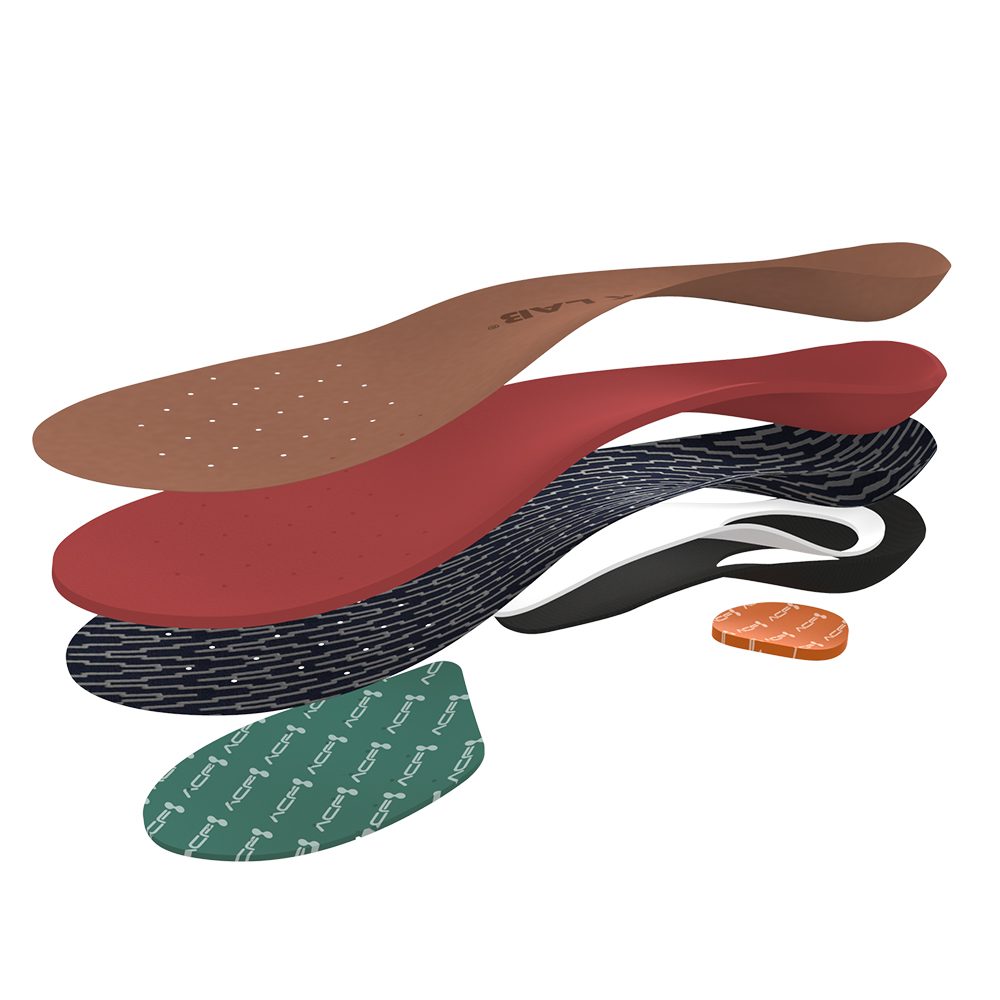
Frequently asked questions
Does the line include a 3D scanner?
No. The phrase is a market label that sits on this category of listing. Our line takes a recorded specification — measurements, load record, alignment note, style and grading — through forming, trimming and quality check. If a workflow needs a surface model for a carving step, that is a different purchase.
What are the four stages?
Capture, forming, trimming and quality check, in that order. Each has an owner, an output and a check, and the slowest stage sets the pace for the whole line. Buyers who map their own volume against those four stages usually change their configuration before ordering.
How do I test the capture half?
Measure the same foot twice, ten minutes apart, with the same operator, and compare the two specifications. Then ask whether a build sheet can be produced from the record by someone who did not capture it. Stability and handover matter more than any resolution figure.
How do I test the forming half?
Ask for the same build several times in a row and compare thickness, arch section, edge finish and cover placement. Then ask which moulds and pillows are included, how a new size is added, and where the checks sit before dispatch.
What volumes should I expect?
The insole line produces roughly five hundred to a thousand pairs a day depending on style and staffing, and the machine line produces three to five units a day. Treat those as a shape for sizing the purchase rather than as a promise for your own workshop.
What are the order terms?
One machine is the minimum order, and machines accept ODM. Insoles start at two hundred pairs, mixable across styles and sizes, with samples shipped inside three days. Every unit is tested at the plant for seven days before dispatch and carries a twelve-month warranty against non-human damage.
Can the line replace a fitter?
No. It builds to a specification, consistently and at volume. Reading a customer, taking a history and deciding what should be built is a professional judgement, and a workshop that buys a line expecting that to be automated will be disappointed in the first season.
What we would do next
Draw the two-column page before the next supplier call: capture on the left, forming on the right, everything else underneath. Bring it to the contact page with your monthly pair count and the styles you actually sell, and we will say which configuration fits and which parts of your list we cannot supply.
The insole range page sets out the three families and the four grading axes in the product’s own terms. Your first orthotic insole making machine covers the buying sequence from the other end, and custom fit insole machines compares configurations by workflow rather than by feature list. Insole molding machine expectations against the FX line is the honest version of what a bench does and does not change, and a fit insole machine still needs a fitter makes the argument this article keeps returning to.
This article is intended for professional and educational reference. It is not medical advice. Foot assessment equipment produces measurements and images; clinical interpretation and any decision about care remain the responsibility of a qualified professional. Certification scope is limited to the documentation we hold: European Union certification and ISO quality system certification.