
The instructor is demonstrating the third set of squats in the fifth class of the day, cuing form to the room in a clear voice, and no part of her timetable contains a rest interval for her. Everyone in the studio is following a programme: warm-up, work sets, cooldown, recovery day. The programme is good. The instructor wrote it. She is simply not on it. She demonstrates every rep at teaching pace, on whatever floor the class schedule dictates, between back-to-back sessions, and by the time the evening classes end she has done a full training day that no training plan would ever prescribe to anyone.
This piece is for the professionals who assess these workers — clinic and rehab teams, sports medicine studios, orthotic workshops. What a teaching day actually loads onto the feet, why the instructor’s workload is stranger than it looks, which questions an assessment should ask, where the honest boundary between measurement and interpretation sits, and what practical advice survives contact with a full timetable.
The demo is the workout
Group instruction has a hidden asymmetry at its centre: the class is designed for participants, and the instructor is not a participant. Participants do the work at their own level, rest when the music says rest, and go home. The instructor demonstrates — often the harder variation, because the room copies the most advanced thing on display — while watching the participants, correcting form, managing the clock and talking continuously. The demonstration reps are done at half attention, in compromised positions: facing the class and mirroring, turned sideways, half-turned to catch someone’s eye in the mirror. Nobody would design a training session this way, and instructors run them six times a day.
The load character differs from ordinary training in ways worth spelling out. A participant does ten squats with attention on the squat; the instructor does the same ten with her weight shifted, her stance angled to the mirror, her heels possibly on a different floor patch, and her attention split. The movement gets done, but it gets done in positions the exercise was never drawn for. Multiply across every exercise in every class, and the teaching week contains an enormous volume of half-reps, mirrored reps and demonstration-only reps — a workload pattern that is nearly unique to the job and invisible to anyone who counts only “sessions trained”.
The talking adds more than people expect. Continuous loud cuing changes breathing, and breathing pattern changes how people brace and land, particularly in jumping or lunging demos. An instructor who is mid-cue on a landing absorbs it differently from a participant who is simply quiet and landing. None of this is pathological — it is the job. But it is a reason the professional’s first move with an instructor is to establish what she is actually doing all day, because the honest answer is rarely “training”, and the record should be read against the real answer, not the flattering one.
Back-to-back is the load nobody schedules
Timetables compress. A popular instructor can run a morning block, a lunch express class, an evening peak block — six or seven classes across a day, with the gaps filled by setup, sound checks, wipes-down, and the corridor walks between studios. The gaps are not rest. They are different kinds of standing, and the standing is on the same feet. Participants get the programmed recovery between sets; the instructor gets a towel refill and a queue of questions. Recovery, the thing the class structure is built to deliver, is precisely the thing her schedule never contains.
Fatigue changes movement, and in this job the changed movement keeps getting demonstrated. Late-day classes get the tired instructor’s reps: shorter Landings, stiffer cadence, weight drifting into whatever stance feels cheapest. The participants copy what they see. Nobody is doing anything wrong — the timetable simply puts the highest-volume teaching hours at the lowest-energy hours of the day. For the assessing professional, the useful detail is which classes are hardest: an instructor will almost always name a specific slot, usually the last heavy one, and that named slot is where the foot’s working day actually peaks.
There is also the seasonality to ask about. Timetables swell in January, thin in August; cover teaching adds unfamiliar class formats; a new studio across town adds new floors to the same week. The job’s load is not a fixed quantity but a moving one, and the assessment should date itself against the timetable: what does this month look like, and is this month typical? A record taken in a quiet August describes a different working year than one taken in the third week of January, and the sheet should say which one it captured.
Different floors, different feet
Studio floors are a set of characters, and instructors meet all of them in one week. The sprung wood floor in the group studio forgives jumping and rewards it. The rubber tile in the weights room is dense and dead underfoot. The turf strip eats lateral movement. The polished floor in the mind-body room hosts barefoot work. Outdoor bootcamp adds concrete, and hotel gigs add whatever the venue has. Each surface hands the foot a different landing, a different grip demand, a different temperature of patience — and the instructor crosses between them within a single morning more often than most people cross between them in a year.
Barefoot sections deserve their own attention. Yoga, pilates, barre and mobility formats run shoeless, and the instructor demonstrating barefoot on a hard studio floor is loading the foot through a completely different interface than the shod jump demo an hour earlier. Many instructors describe exactly this transition — trainers to barefoot and back — as the part of the week their feet notice. The assessing professional should ask about it directly, because it is a real and specific load pattern, and it also explains why footwear-based advice alone never quite lands with this audience: their feet spend the week changing outfits.
Then there is what the instructor wears, which is its own little economy. Training shoes chosen for their own workouts get inherited into teaching; teaching gets the leftovers. Shoes bought for one studio’s floor get worn on all the others. The casual observer sees a fit person in trainers and assumes the footwear question is solved; the professional should assume the opposite and ask. Who chose the shoes, for which floor, how old are they, and does she change them between formats — four questions, thirty seconds, and the answers usually reorganise the whole picture of the job.
What a good assessment asks an instructor
The history makes or breaks this assessment, because the capture will show a foot and the history decides what foot’s week it belongs to. Before anything is measured, five questions earn their place. How many classes a week, and which formats. What share of each class she actually demonstrates versus walks and watches — the honest answer is usually most of it, but the phrasing matters. Which floor is hardest, asked openly rather than as a menu. How many of her weekly hours are barefoot. And which class slot do her feet remember on Sunday night — the question that locates the week’s peak load in her own words, with no leading.
During the capture, run the ordinary discipline: footwear condition decided in advance and kept consistent, own-pace instruction given once and repeated word for word, static and dynamic both captured, conditions written on the sheet at the time. If the room’s protocol allows a second condition and she brought both her teaching shoes and her training shoes, capturing in both is worth the minutes — this audience, uniquely, runs two shoe lives in one week, and the difference between the two conditions is often the most informative pair in the file. The device records whichever crossing it is given; deciding which crossings describe her actual week is the professional’s work.
After the capture, the boundary conversation matters more than usual with this audience, because instructors are professionally articulate about bodies and will fill any interpretive vacuum themselves. State plainly what the record shows — how load sat and moved during the captured moments — and what it does not: it does not diagnose, does not explain her Sunday-night fatigue on its own, and does not predict anything. The interpretation belongs to the qualified professional working from record plus history together. Instructors respect that boundary precisely because they know the difference between a measurement and a programme.
Two jobs in one pair of feet
The structural insight worth carrying out of an instructor’s assessment is that the job is two jobs sharing one pair of feet. One is endurance standing with scattered walking: setup, cuing from the side, watching, walking the room, corridor transfers, the front desk chat — hours of it, on hard floors, in footwear chosen for a different job. The other is intermittent impact: demonstration reps, jumps, lunges, quick lateral work, done in mirrored stances at split attention. Most occupations the assessment room sees are one or the other. Instructors are both, alternately, all week, and rarely recover from either.
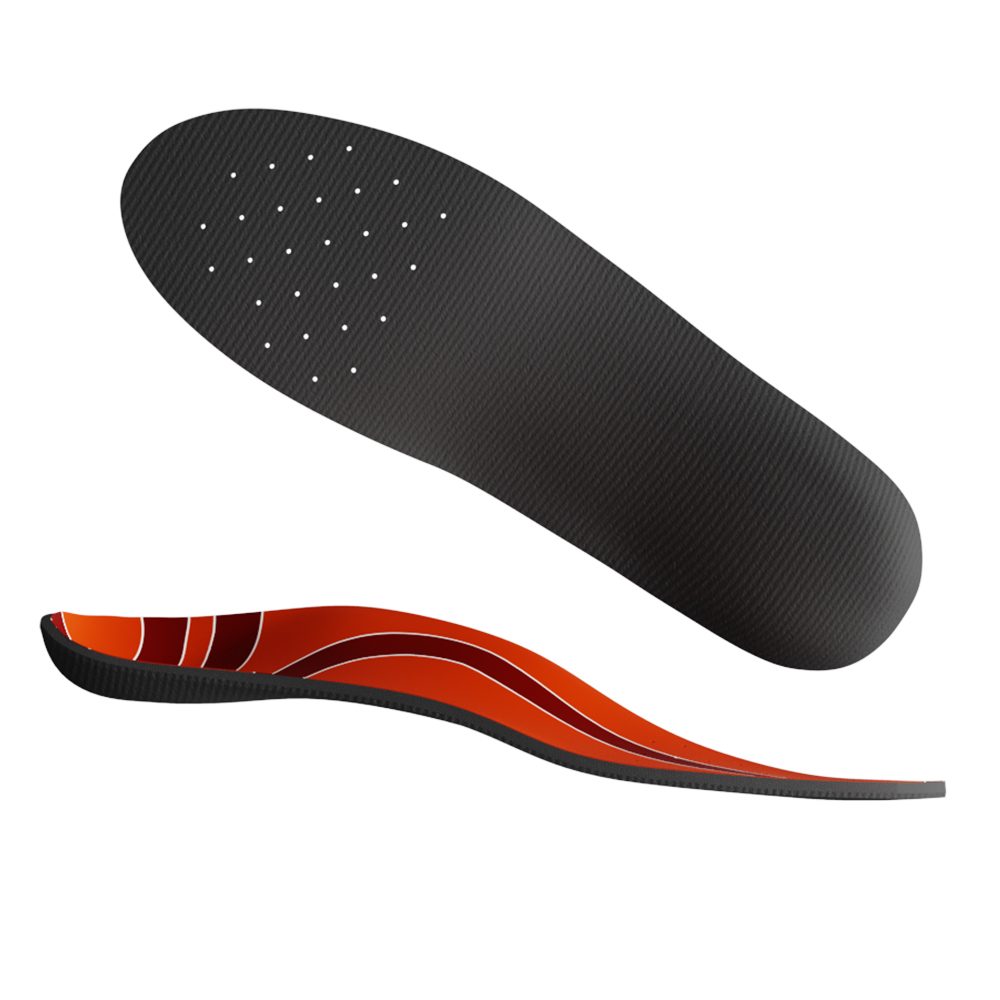
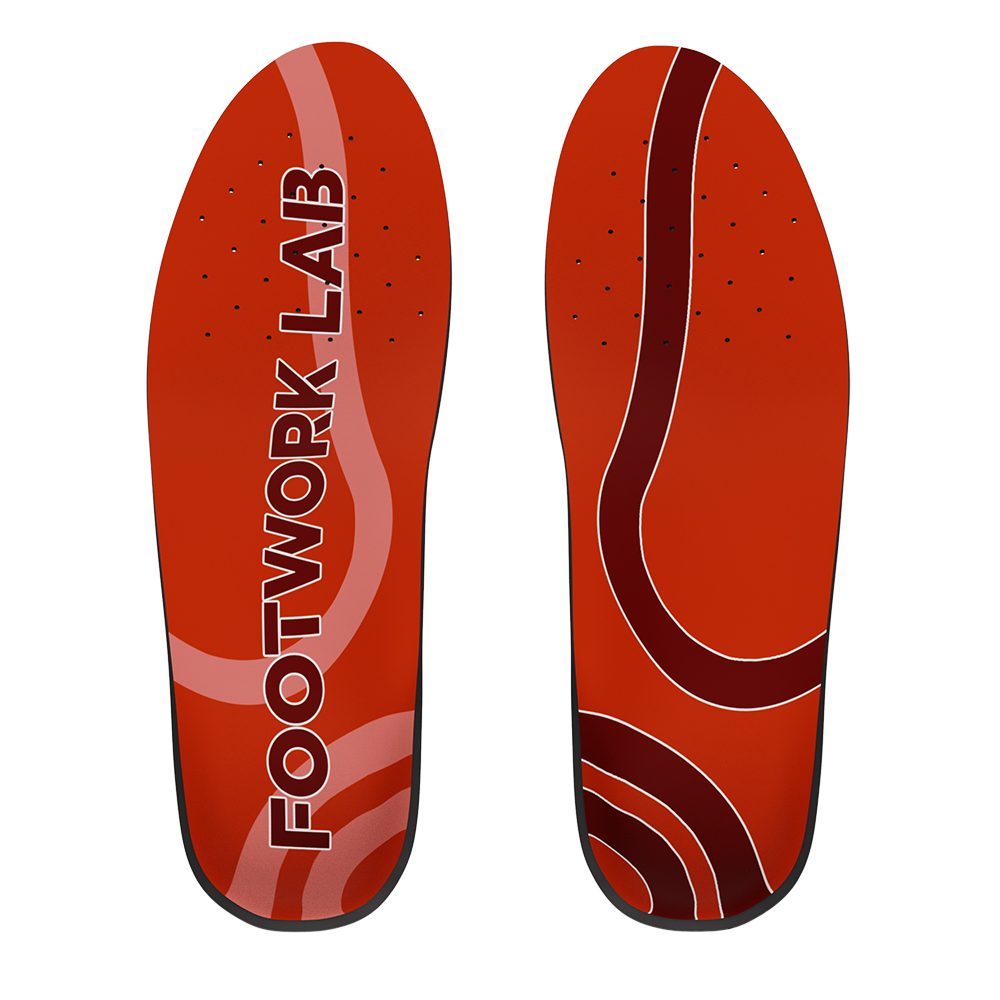
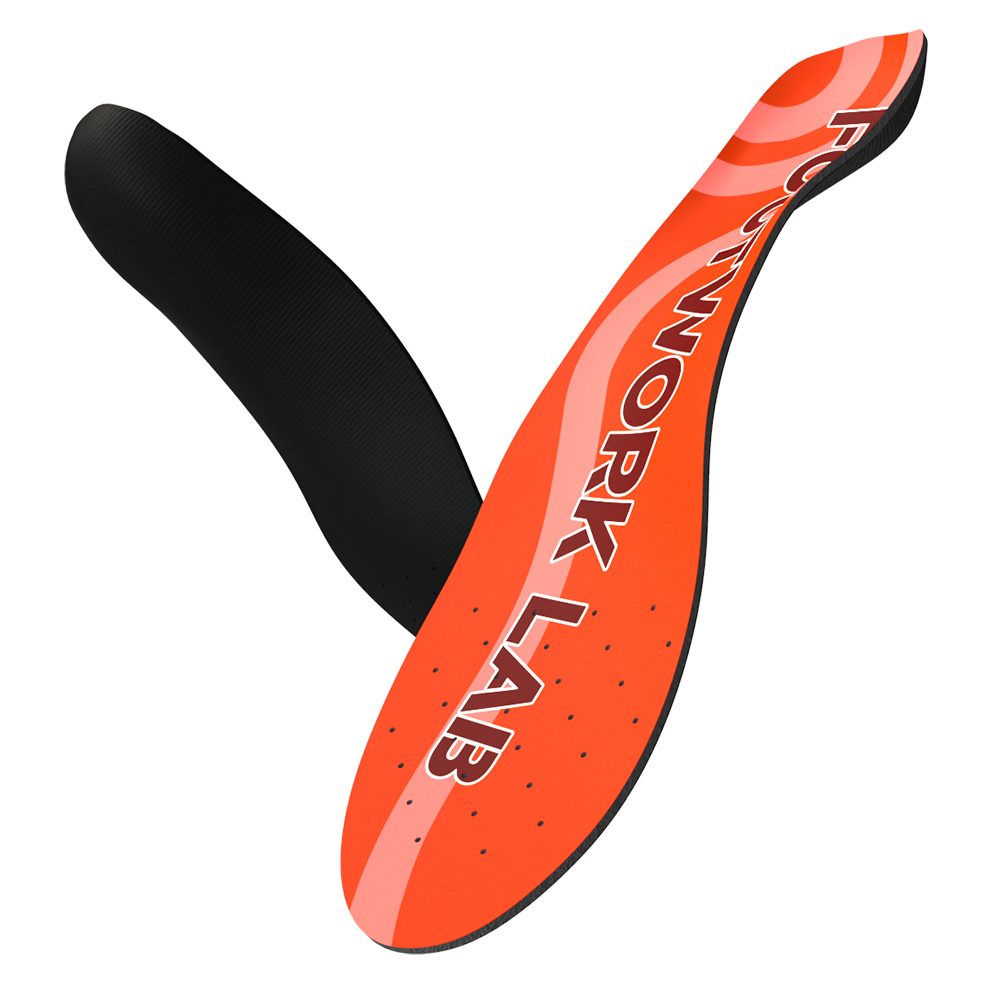
That shape should inform whatever the professional concludes. A solution aimed only at the standing job or only at the impact job addresses half the week. Where custom orthotic insoles are judged appropriate — and this is the professional’s decision, made from record and history together — the relevant question is whether the support and load distribution they provide hold up across both halves: the long standing blocks and the demonstration spikes, the sprung floor and the rubber tile, the trainers and the barefoot sections. The FX Sport and FX Daily builds our own factory produces exist for exactly this kind of split, but the categorisation is the clinician’s job, not the catalogue’s.
The honest framing matters as much as the hardware. Nothing measured in the room makes the sixth class lighter, the timetable shorter or the mirror more forgiving, and saying so plainly is what separates a professional conversation from a sales pitch — an audience of instructors detects a pitch at a distance that would embarrass a bloodhound. What the assessment can genuinely give her is a measurement-grounded account of how her own feet carry her particular version of a double job, and a decision-making framework for the footwear and support questions that follow from it.
Timetables, rotation and the settling stretch
Practical advice for this audience has to survive a full timetable, because no instructor will take a fortnight off to break in anything. The workable sequence is the same one given to any working customer, sharpened for the schedule: introduce the new arrangement in the quietest stretch of her week — a light teaching day, a cover-free block, the off-peak class — and let it carry ordinary days before it carries the Saturday peak. Expect different before better. Judge the arrangement once it has stopped feeling new, which for a full timetable usually means the verdict waits until after the first genuinely heavy week, not before it.
Rotation earns its place here for a reason specific to the job: teaching shoes get used for teaching, training shoes for training, and both jobs happen on the same feet on the same day. A clear division — which pair lives in the studio bag, which stays for personal training, which covers the barefoot-format commute — prevents the inheritance problem from restarting quietly. Many instructors also rotate two teaching pairs across the week simply because the shoes get wet with sweat on double-class days; a dry pair for the evening block is a small change with a large effect on how the second demo-heavy class feels.
The follow-up should follow the clock this series keeps insisting on: re-assess when something has had time to change — the settling stretch finished, the timetable shifted seasonally, the format mix altered, a new studio added. Instructors are convenient customers for this policy because their year has visible edges: January, September, the summer dip. Booking the re-record against the next timetable change, rather than against the calendar alone, turns the follow-up from a reflex into a comparison worth reading — and gives the file a chance to say something about the working year rather than just the working month.
Teaching the teacher: what she takes back to the studio
The last section of a good instructor assessment is the handover, and for this audience it has a second audience standing behind the first: everything the instructor understands, she teaches. An instructor who leaves the room with a clear, plain-language account of what was measured and what it means for her own week will restate it — to participants between sets, to colleagues in the staff room, occasionally to the whole class warm-up. The assessment’s reach therefore multiplies or dies at the handover. Choose the words accordingly: what the record shows, what it does not show, what the professional concluded and what the practical plan is, each in one sentence a tired instructor could repeat accurately after a six-class day.
Two deliverables make the handover durable. One is the record itself, labelled with the conditions it was taken under — which shoes, which floor-equivalent, which month of the timetable — so that any future comparison knows what it is comparing against. The other is a written one-liner of the plan, in her words rather than the clinic’s: the rotation, the settling-stretch rule, the re-assessment trigger. She will lose the printout before she loses the sentence.
And there is a quieter professional opportunity in every instructor assessment: instructors are gatekeepers for hundreds of recreational feet. The participant with the recurring complaint asks her instructor first, every time, because she trusts the person who watches her move twice a week more than she trusts a search engine. A room that assesses instructors well — honestly, boundary-conscious, measurement-first — gets referred the questions those instructors cannot answer. Handle the instructor’s own feet well and the referral happens by itself; handle it with a pitch and it never happens at all. That referral channel, not the single pair in front of you, is the real stakes of this assessment.
Frequently asked questions
Do fitness instructors need an assessment if they already train regularly?
Teaching and training are different loads, and regular personal training says nothing about the first. A teaching week adds mirrored half-reps, split-attention landings, hours of standing between formats and barefoot sections on hard floors — a pattern no training plan would prescribe. An assessment measures how her feet actually carry that pattern; whether anything needs changing afterwards is the qualified professional’s judgement from record plus history.
Should the capture be done barefoot or in shoes?
Decide in advance and keep the rule consistent, as with any customer. If the protocol allows a second condition, capturing in both her teaching shoes and her training shoes is worth the minutes: instructors uniquely run two shoe lives in one week, and the difference between conditions is often the most informative pair in the file. Label every capture with the condition it was taken under.
What should the assessor ask a group instructor before the capture?
Five questions: how many classes a week and which formats; what share of each class she actually demonstrates; which floor is hardest, asked openly; how many weekly hours are barefoot; and which class slot her feet remember on Sunday night, in her own words. The last one locates the week’s peak load without leading her. Also ask who chose her shoes and how old they are.
Does mirroring and half-rep demonstrating really matter for the record?
It matters for reading the record, not for the capture itself. The device records whatever crossing it is given; the demonstration habits explain why her working-week load differs from a training load. An instructor performs most of her week’s movement volume in mirrored stances and split attention, so the record should be interpreted against the real answer to “what do you actually do all day”, not against the flattering one.
One pair or two, for teaching and for training?
Two lives in one week argue for a clear division: a teaching pair that lives in the studio bag, a training pair that stays personal, and clarity about which covers barefoot-format days. Many instructors add a second teaching pair purely for rotation, because double-class days soak the first. A dry pair for the evening block is a small change with a large effect on how the last demo-heavy class feels.
How long before teaching a full timetable in a new arrangement?
Introduce it in the quietest stretch of the week, let it carry ordinary days before it carries the Saturday peak, and judge it once it has stopped feeling new — different comes before better, and the verdict waits until after the first genuinely heavy week. No instructor can take a fortnight off, so the settling has to happen inside the timetable, deliberately and in the right slots.
Can insoles fix the ache after a six-class day?
No honest assessment promises that. The record shows how load distributed during the captured moments; interpreting what that means across her standing hours and her demonstration spikes is the qualified professional’s work, and any decision about care follows from that interpretation. Where support and load distribution are judged useful, they address how the load is carried — not the timetable, the mirror, or the sixth class itself.
What we would do next
Add one question to your intake for anyone whose job is movement: “what share of your working day do you actually demonstrate, versus walk and watch?” Most instructors answer honestly once the question is asked, and the answer reorganises the whole assessment — the history, the footwear questions, the choice of capture conditions. Then, when you hand over the record, build the one-sentence plan in her words rather than yours; she will repeat it to a hundred people, accurately or not, depending on the sentence you chose. For the specific extra value of a single-leg capture with this and similar athletic audiences, see One Foot at a Time: What a Single-Leg Stance Check Adds.
And the question we would put to rooms that assess teaching staff: when an instructor walks out with her file, how many of her participants will hear about it — and is what they will hear the account you actually gave?
This article is intended for professional and educational reference. It is not medical advice. Foot assessment equipment produces measurements and images; clinical interpretation and any decision about care remain the responsibility of a qualified professional. Certification scope is limited to the documentation we hold: European Union certification and ISO quality system certification.