
It is a quarter past seven on a Friday, the pass is three tickets deep, and the sous chef has just pivoted from the fryer to the grill for the hundredth time since five. The tile under her clogs is greasy despite the morning clean, the dish pit is steaming, and nobody is going anywhere. Her feet will not get a seated minute until the staff meal at ten. The shoes were bought for grip on this exact floor, and they grip well; what they do not do is look after the person standing inside them for a double shift.
Kitchen crews are among the most demanding customers any foot professional will ever serve, and among the least likely to complain until the damage is done. Heat, grease, hard tile, pivot-on-a-coin movement and hours that stretch across two services make the professional kitchen one of the hardest environments a foot works in. Retailers, clinics and orthotic workshops that serve this trade well learn to ask about the stations and the pivots before they talk about anything else. This article maps what a kitchen shift actually does to a stance, gives two checks you can offer at the bench tomorrow, walks through the interview questions that matter for crew members, and explains where a custom pair genuinely fits the brief for people who spend twelve hours a day in a hot room built from hard surfaces.
What a Service Actually Does to a Stance
A dinner service looks like standing, but it is standing under conditions that few other trades replicate. The movement is not walking; it is short pivots between stations, repeated hundreds of times a night, each one loading the forefoot asymmetrically as the body turns on the ball of one foot. Reach adds its own signature: leaning across a pass to plate, dipping into low ovens, stretching to a shelf that somebody installed for a taller colleague. Between those efforts come standing stretches, the waiting minutes at a station where the body settles into whatever stance hurts least at that moment.
Heat belongs in the picture too. A hot kitchen means swollen feet by the halfway point of the shift, which is why shoes that fit at two in the afternoon feel wrong by nine in the evening, and why crew members routinely buy their work shoes a half size generous and then walk around inside them loose. Hours do the rest. A double shift can run from mid-morning prep through late service, and the breaks, where they exist, are short and taken standing at the bench. No single one of these factors is remarkable. What makes the kitchen distinct is the combination: pivots, reach, heat, grease and duration, all inside shoes selected for a wet floor. A professional who understands only “stands all day in a kitchen” will miss the turning loads and the swelling that define this trade’s actual mechanics, and the assessment will be built on the wrong picture from the first question.
The Floor, the Clog and the Grip Trade-Off
Kitchen footwear is chosen by the floor, and for good reason: a slip in a busy kitchen is a genuine emergency, not an inconvenience. So the trade wears clogs and slip-resistant shoes with stiff, grippy soles, and the grip does its job. The trade-off is quieter. The same sole pattern that bites a greasy tile floor is stiff underfoot and flat inside, and the roomy fit that allows for evening swelling leaves the foot sliding within the shoe through every pivot. Foot professionals who work with kitchen crews learn to treat this as the fixed constraint it is: nobody swaps grip for comfort in a kitchen, and any advice that ignores the slip risk will be ignored.
The floor surface completes the constraint. Commercial tile is hard, grout lines sit proud in older rooms, and standing zones in front of fryers and grills see the heaviest traffic with the least give. Mats exist in some kitchens, but the working reality is that a cook moves across the whole line during a service and cannot stand on one mat all night. This is why the interview matters more here than in most trades, and why it should start with the room rather than the person. Which stations does this cook cover, how wide is the range, how much of the shift is pivot movement versus standing reach, and what exactly is on their feet for it. Answers to those four questions sketch the load picture before anyone removes a shoe, and they tell the professional whether they are looking at a line cook’s pivots, a pastry section’s long stands, or a dishwasher’s fixed-posture hours, three very different briefs wearing the same job title.
The Interview: Questions That Map the Stations
Four interview questions earn their keep with kitchen crew. First: which stations do you cover in a normal service, and do you stay at one or move along the line. A fixed station concentrates load in one standing pattern; a moving line spreads it but adds pivots. Second: how many hours between breaks, honestly, because the answer Kitchen managers give and the answer crew give differ, and the crew’s answer is the one that matters for the feet. Third: when during the shift do the shoes stop feeling right, which reveals both the swelling pattern and the fit of the current pair. Fourth: who else in the kitchen has the same stations, since a crew shares floors and often footwear habits, and one good assessment pathway can serve a whole brigade.
Write the answers into a four-line brief at booking, the same habit that serves other standing trades: stations and movement range, hours between breaks, the shoe story, and where the complaints land, if any, by the end of a double. The brief changes the assessment before it begins. A pastry chef who stands nearly motionless for hours presents differently from a grill cook who pivots all evening, and the professional reviewing the file knows which conversation is walking in. It also gives retail counter staff a structured script for the walk-in who asks for “something for standing all day,” which in a kitchen city is a weekly occurrence. Staff who can ask the four questions and note the answers convert a vague request into a real brief, and the cook into someone who feels that the specifics of her working night were understood before any product entered the conversation.
Two Checks Worth Doing at the Bench
The first check is the sole-and-upper inspection of the work shoes, done with the cook present rather than behind a counter. Kitchen shoes tell their story fast: the grip pattern worn smooth on the pivoting foot’s ball region, the upper stretched sideways where the foot swells and slides, the insole, if one exists at all, compressed into a valley that no longer resembles anything the factory shipped. Photograph the pair next to the pressure record when one is taken. The photograph gives the cook a concrete before-picture and gives the professional the reference point for judging whether the next pair is holding up any better.
The second check is the end-of-shift fit test, which needs the cook’s cooperation across a working day rather than a special trip. Ask them to pay attention to two moments on their next double: how the shoes feel at the start of service, and how they feel during the late lull, and to note specifically where the foot moves inside the shoe when they pivot. That single observation, reported back, distinguishes a fit problem from a support problem more reliably than any fitting-room assessment can, because it captures the swollen foot in the working shoe under real conditions. Neither check diagnoses anything; both are observations that belong in the file for the qualified professional to interpret alongside the measured record. What they accomplish commercially and clinically is the same thing: they turn “my feet hurt at work” into two specific, dated, comparable observations, which is exactly the raw material an honest assessment needs and exactly what convinces a sceptical line cook that the process is worth the trouble.
What the Record Shows in Kitchen Crews
When a cook does reach the capture plate, the record usually confirms what the interview predicted, and the confirmation is worth seeing for the credibility it builds. Heavy forefoot loading on the pivoting side. Load concentrated under the metatarsal regions where every turn rolls across the ball of the foot. A static record that looks different from the dynamic one, often markedly so, because kitchen standing is not kitchen pivoting and the two load patterns share a shift. Professionals who show the cook both records, static and moving, side by side, report that this is the moment the cook understands their own working night in a new way.
Two cautions keep the reading honest. First, the record is a measurement of that day, in those shoes, at that fatigue level; a cook captured fresh on a Tuesday morning presents differently from the same cook after a Saturday double, and the professional weighing the record knows which conditions apply. Teams who capture at the customer’s own pace, and who note the shift context in the file, build records that mean something a month later. Second, the record does not diagnose anything; it shows where force went, and the interpretation, the comparison with history and footwear findings, belongs to the qualified professional running the assessment. The measurement-versus-meaning boundary is worth stating to the cook explicitly, because kitchen crews talk, and a brigade whose members repeat “it measures where the load went, and what it means is the professional’s call” is a brigade that arrives with realistic expectations and leaves as the trade’s most reliable word-of-mouth channel.
Where a Custom Pair Fits the Brief
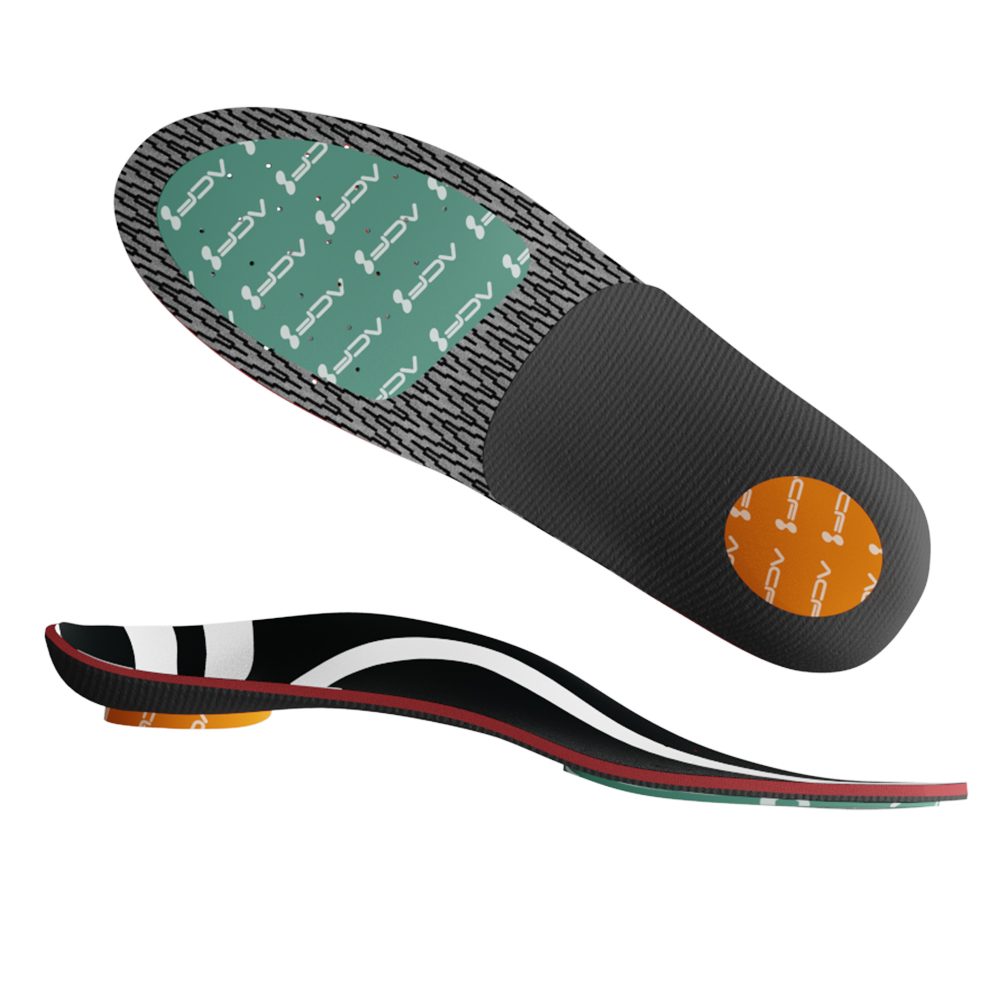
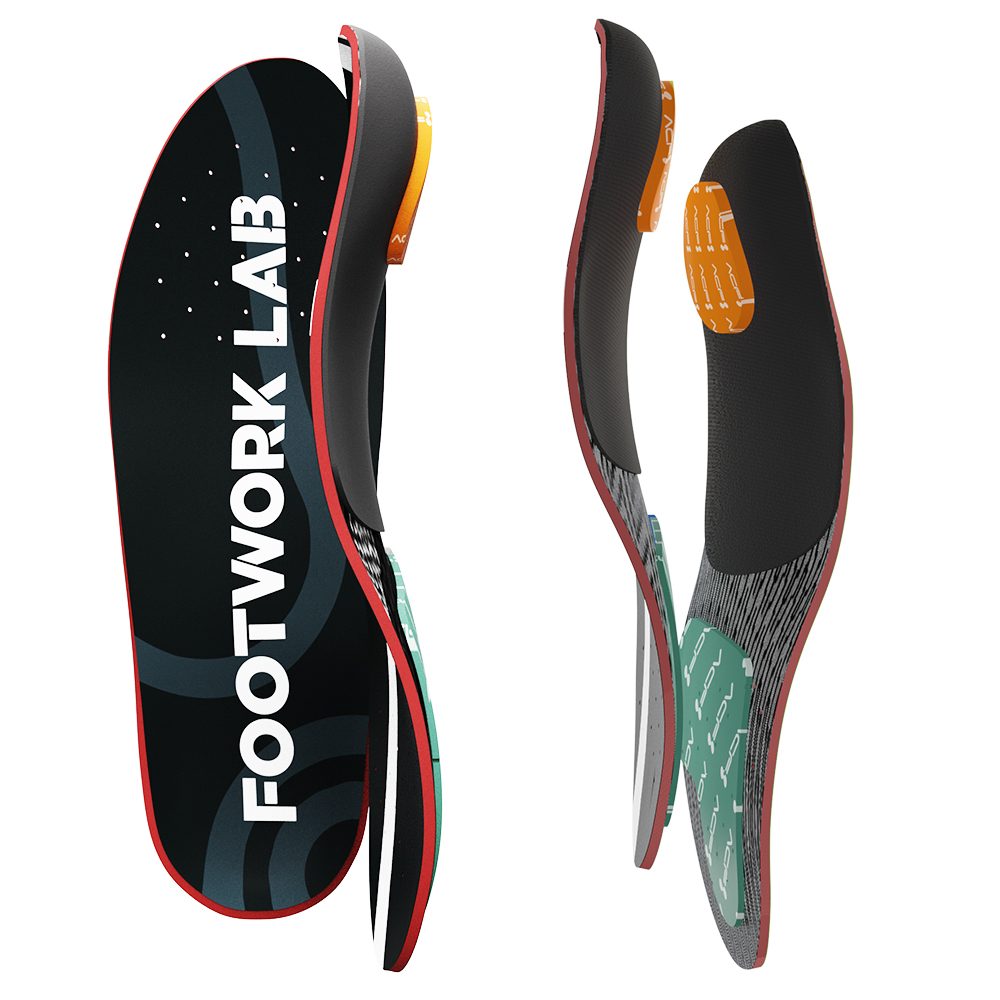
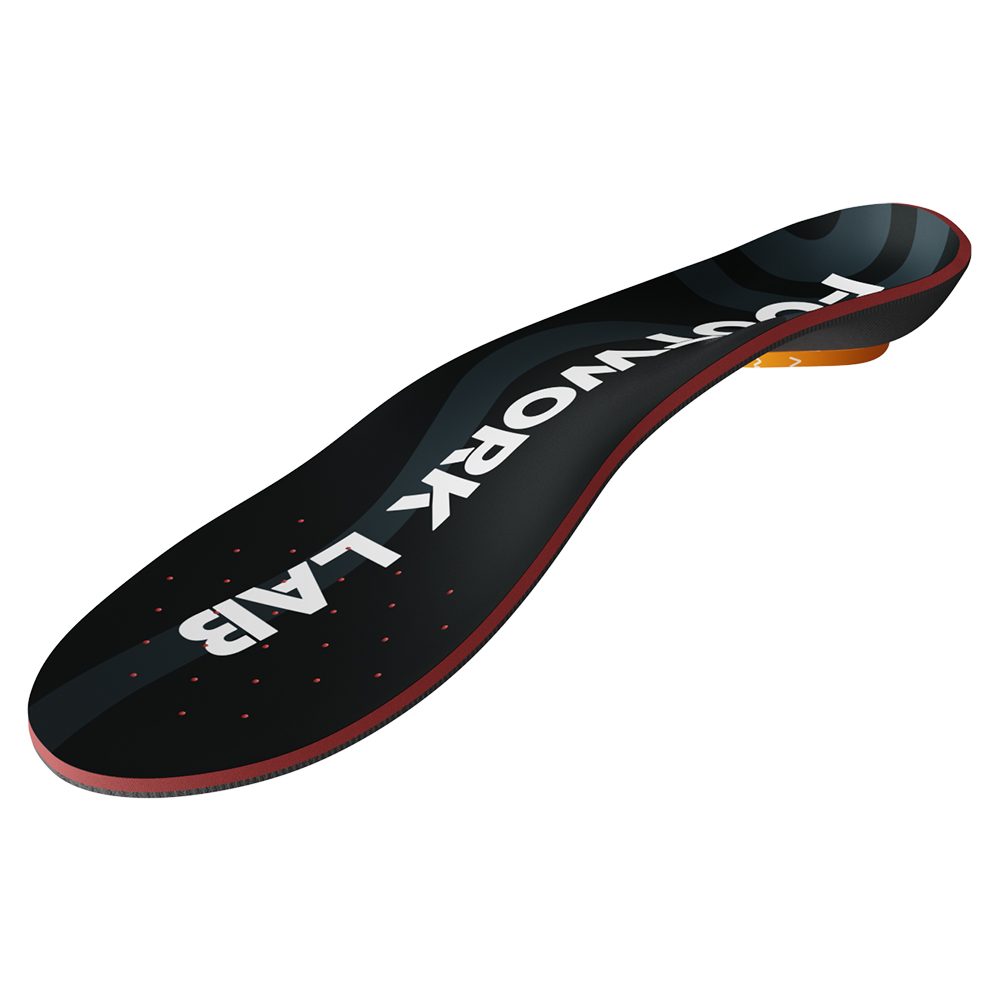
Only after the room, the rotation, the fit and the record have had their say does a custom pair enter, and for kitchen crew the honest framing matters more than usual. The brief is specific: a pair designed from the cook’s own measured load pattern, built to sit inside shoes that cannot change their grip or their stiffness, and made to accommodate the swelling that a hot shift brings. The professional designing the pair works from the record and the four-line brief, not from a generic “standing worker” template, because a grill cook’s pivots and a pastry chef’s long stands call for different answers.
For the retailer or workshop supplying the trade, the practical realities make the offer workable. Custom pairs are built from the customer’s capture, so scheduling the assessment inside a cook’s real week, early afternoons between prep and service are usually the realistic window, protects the quality of the brief. Volume is not the barrier many expect: our own factory, for instance, ships insole samples within three days and turns out roughly five hundred to a thousand pairs a day, with a minimum order of two hundred pairs mixed across styles and sizes, which lets a footwear retailer serve a whole brigade without a warehouse. The framing offered to the cook stays modest: support and load distribution shaped by her own record, an adjustment period of a couple of weeks with a follow-up booked before she leaves, and the professional’s interpretation doing the deciding. Crews hear a hundred exaggerated claims a year; the workshop that promises less and measures more is the one that ends up equipping the kitchen.
After the Assessment: The Follow-Up That Keeps Them Wearing Them
Kitchen crews are famous for trying something for a week and quietly going back to the old clogs, and most of those abandoned attempts were abandoned for predictable reasons: no adjustment guidance, no follow-up, no way to say the fit was wrong without seeming ungrateful. The follow-up structure prevents most of it. Book the check-in for two to three weeks out, when the adjustment period has done its work and the honest verdict is possible. Ask the two questions that matter: where does the pair feel right now, and where does it still feel wrong. A wrong feeling at the edge of the pair is a fitting conversation; a wrong feeling everywhere is a rebuild conversation, and both are normal parts of the process rather than failures of it.
The second habit that keeps crews in their pairs is rotation guidance. Two pairs alternating across services outlast one pair worn daily, and the cook who understands why, the same compression driven into the same materials every shift, protects the investment without being told twice. The third is the brigade effect. One cook with a good experience is the conversation at the Monday staff meal; one cook who was sold a promise is the conversation at every staff meal for a year. Workshops that serve kitchens well do the unglamorous things: they take the booking at the cook’s real hours, they ask about the stations before the shoes, they book the follow-up in the room, and they let the record and the professional do the talking. In a trade that spends twelve hours a day on a floor nobody softened, that discipline is the difference between a one-time sale and a kitchen that sends its next hire across town before the first uniform arrives.
Frequently asked questions
Why do kitchen shoes feel tight by the end of a shift?
Heat and hours combine to swell the foot through a service, so shoes that fit at the start of a shift feel compressed by the late evening. This is normal in hot kitchens, which is why the assessment should ask when the shoes stop feeling right, and why generous but secure fitting matters in this trade.
Can better shoes alone fix a cook’s foot discomfort?
Rarely alone. The pivot movement, the hard floor, the heat and the hours all shape the load, and grip footwear is a fixed constraint that protects against slips. The honest answer is that shoes, fit, rotation and measured support are looked at together by the professional.
What should a cook bring to a foot assessment?
The shoes worn for most working hours, ideally worn rather than new, and the dates of a normal double shift. Photographing the worn soles next to the pressure record gives both the cook and the professional a reference for later comparisons.
When is the best time to book an assessment for kitchen staff?
Early afternoon between prep and service is usually the realistic window. Capturing after a heavy service documents a very tired foot, which has its uses, but the standard record should be taken under ordinary, unhurried conditions.
How long does it take to adjust to a custom pair?
Most practitioners describe an adjustment period of one to two weeks. The follow-up booked at two to three weeks is where the honest verdict happens: edge discomfort is a fitting conversation, and a general wrong feeling is a rebuild conversation.
Is one assessment enough for a whole kitchen brigade?
No. Crews share the floor but not their feet. The efficient format is a station map of the kitchen, then individual assessments booked in realistic windows, often starting with the head chef or whoever has the most hours on the line.
How often should kitchen footwear be replaced?
Let the sole pattern answer: when the grip regions are visibly worn smooth and the midsole no longer recovers, the pair is due, because both its safety and its support have gone. Rotating two pairs across services extends the useful life of both.
What we would do next
Take the station-mapping interview into your next kitchen customer: four questions, four lines in the file, before anyone touches a shoe. Then add the two bench checks, the sole-and-upper inspection and the end-of-shift fit observation, and photograph the worn pair next to the record. Both together turn a vague complaint into a brief a professional can actually work from.
If you supply the trade, build the offer around the brigade rather than the individual, and around the cook’s real hours rather than your own. For patterns that overlap, compare notes with how other teams handle the baker’s night shift and the barista’s wet corner, two trades whose floors and hours rhyme with the kitchen’s.
And the question for the professionals reading this: in your kitchen customers, does the static record or the moving record usually differ more from what the cook expected, and how do you show that gap on the screen? The comments are open, and brigade-specific observations like that are how the trade’s shared knowledge gets written.
This article is intended for professional and educational reference. It is not medical advice. Foot assessment equipment produces measurements and images; clinical interpretation and any decision about care remain the responsibility of a qualified professional. Certification scope is limited to the documentation we hold: European Union certification and ISO quality system certification.