
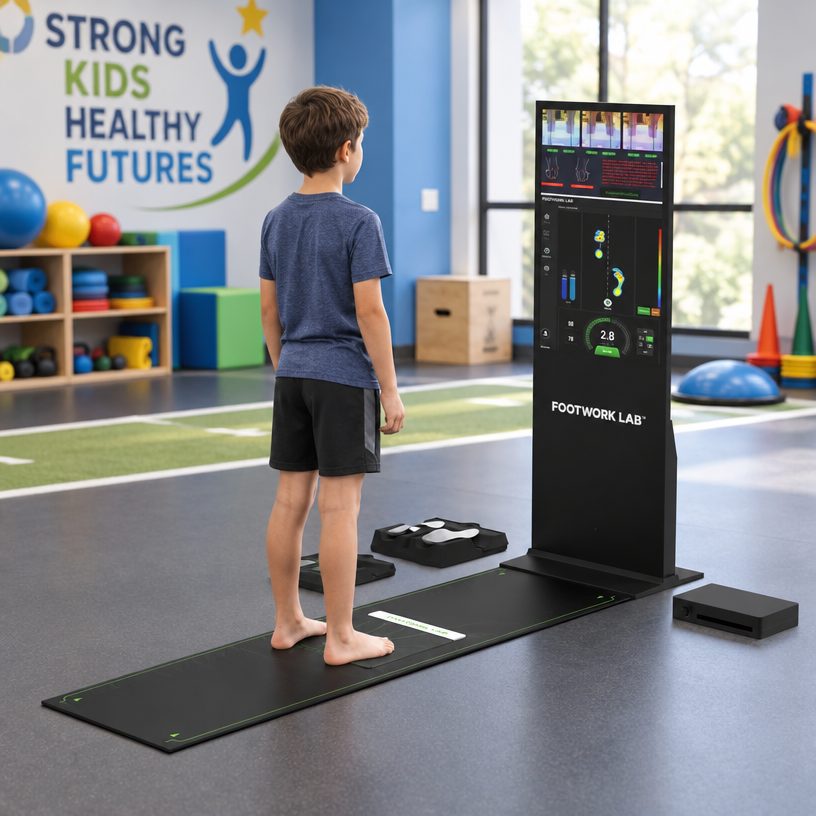
Running Gait Analysis on a Platform: What Sports and Fitness Teams Should Plan For
Running capture is mostly a room and routine problem. What to settle before comparing platforms, and what the data cannot tell you.

Running capture is mostly a room and routine problem. What to settle before comparing platforms, and what the data cannot tell you.
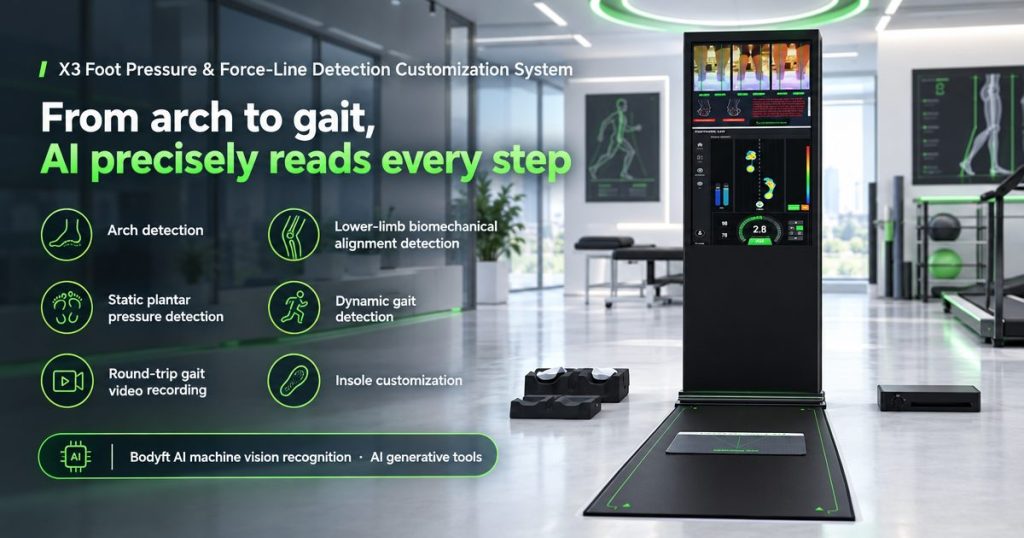
The benefit that lasts is not the sensor count but the routine: a repeatable, comparable record that survives the appointment.
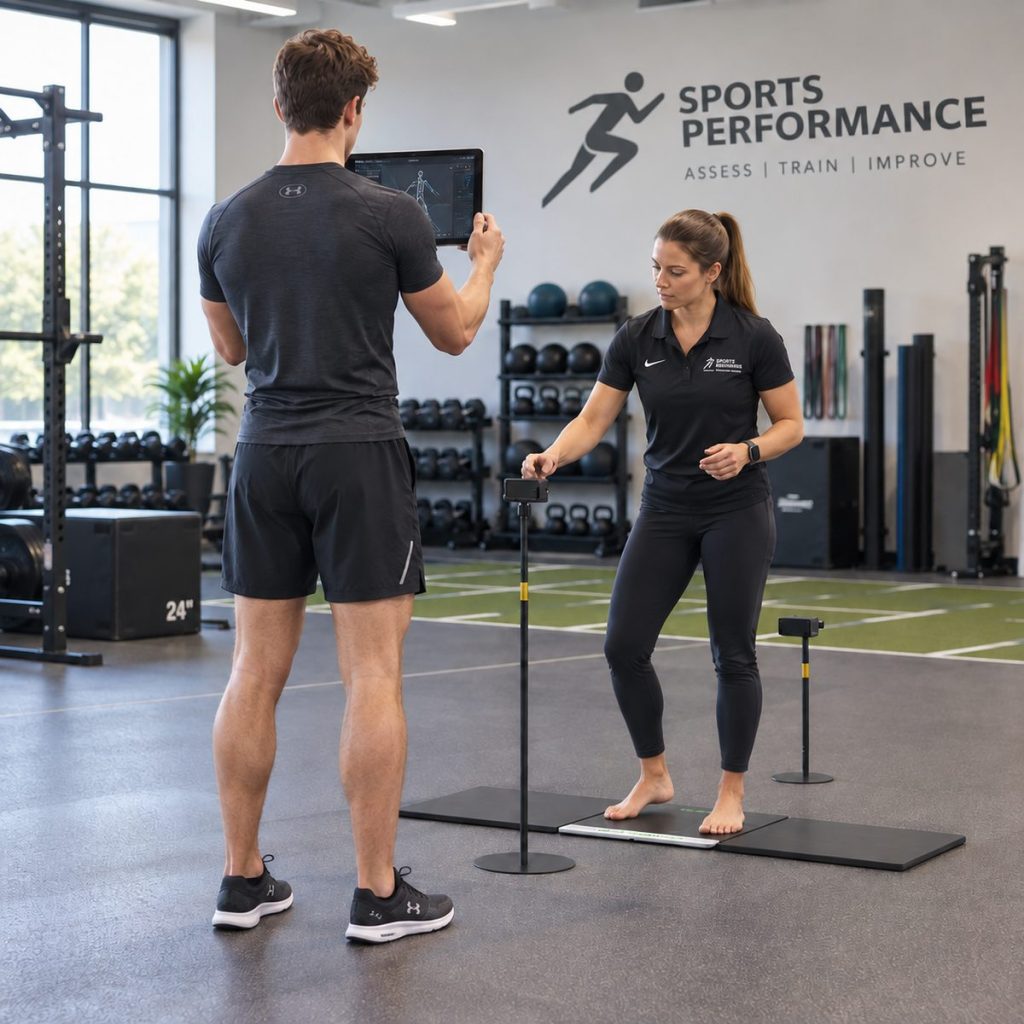
Recording a sole in motion asks more of the room than of the sensors. Capture conditions, timing and the space a platform really needs.
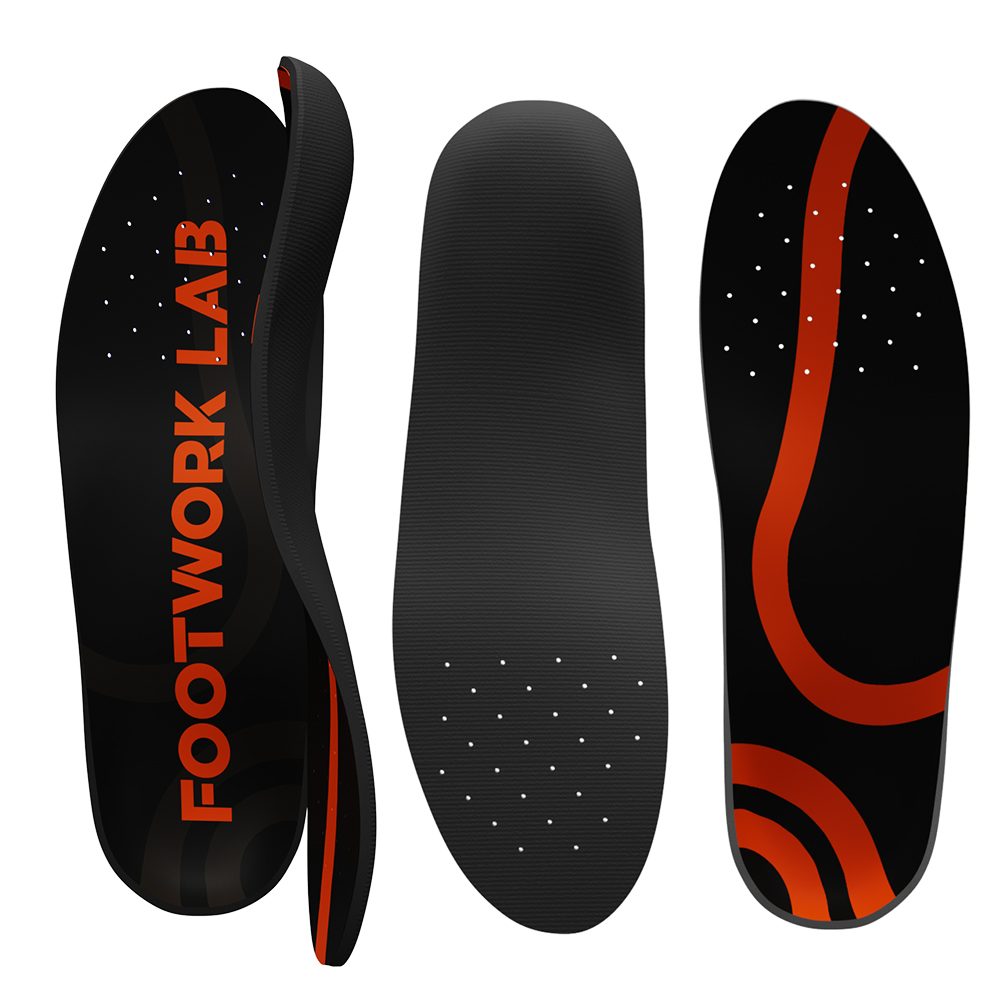
Walking, training and competition place different demands on the same foot. How to specify by activity instead of by preference.
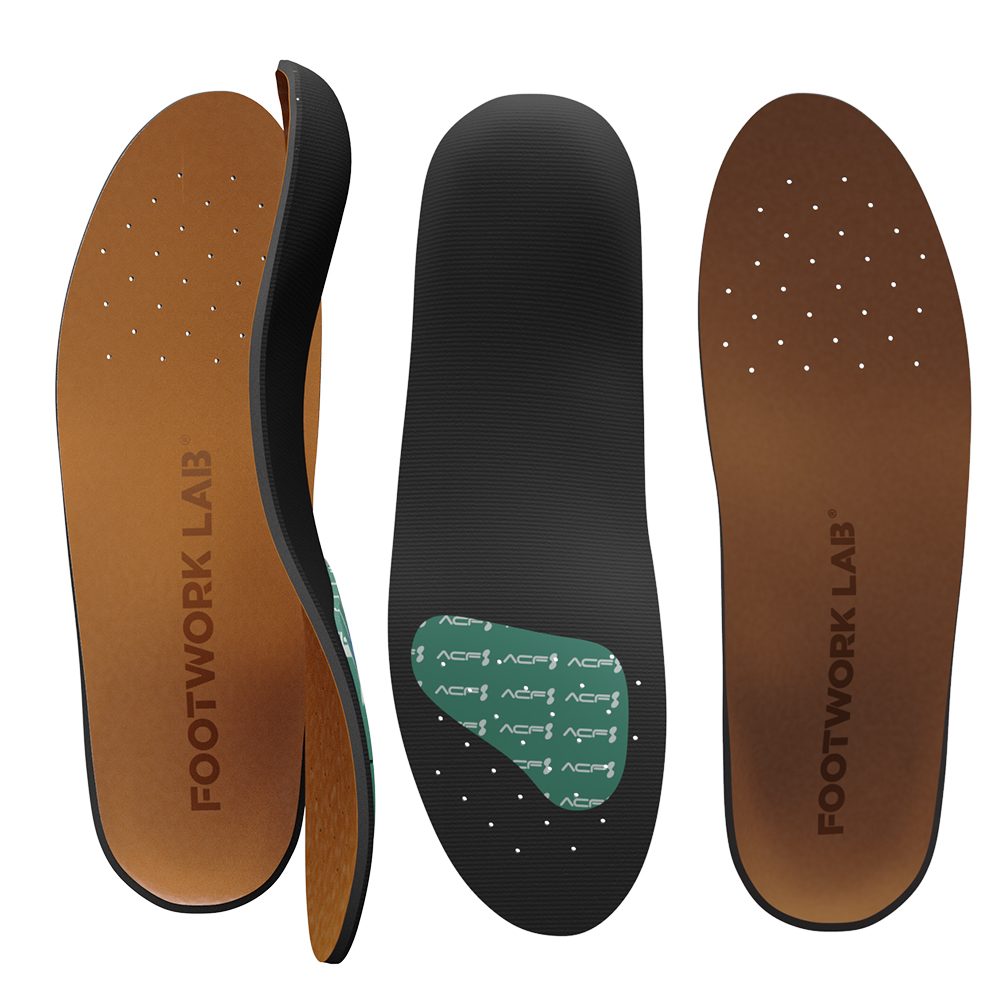
The label cannot separate two products, so the comparison has to be done on structure. Four specification lines that make it possible.
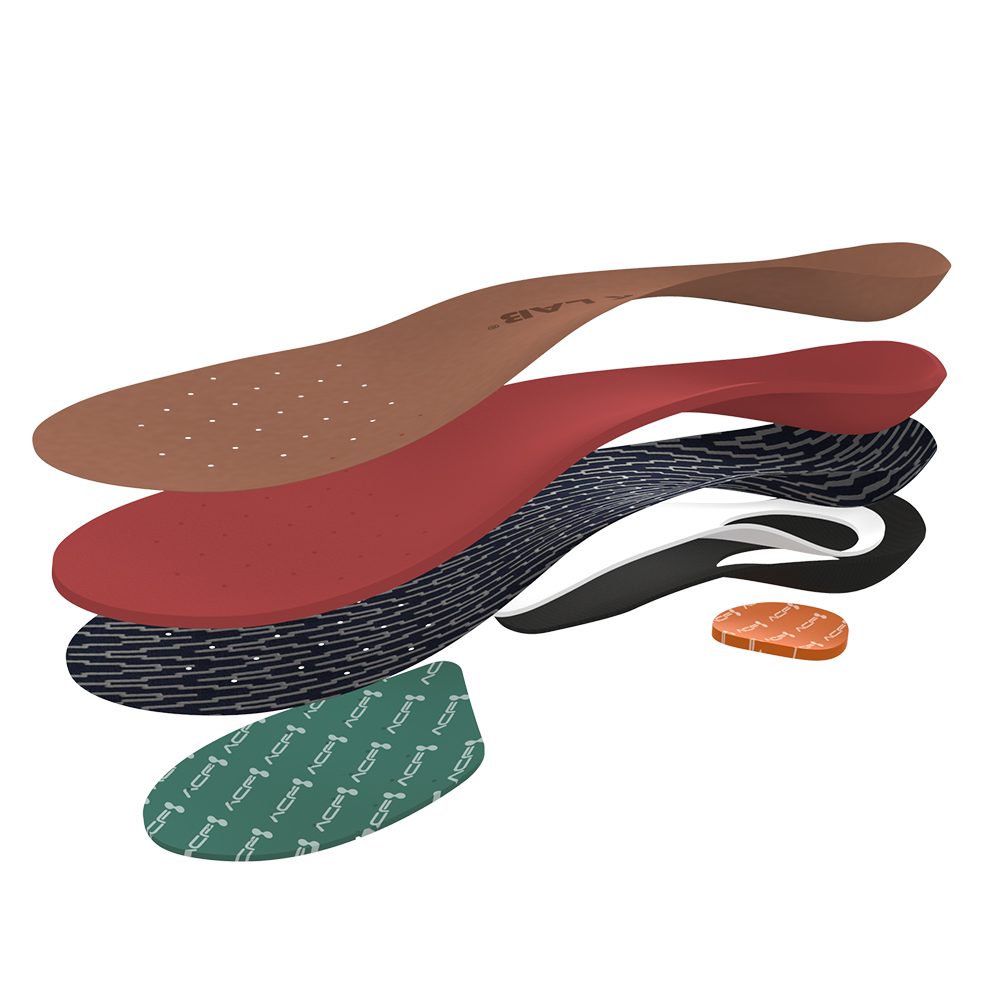
An insole occupies space the shoe was not designed to give away. The three constraints that decide whether a design is ever worn.
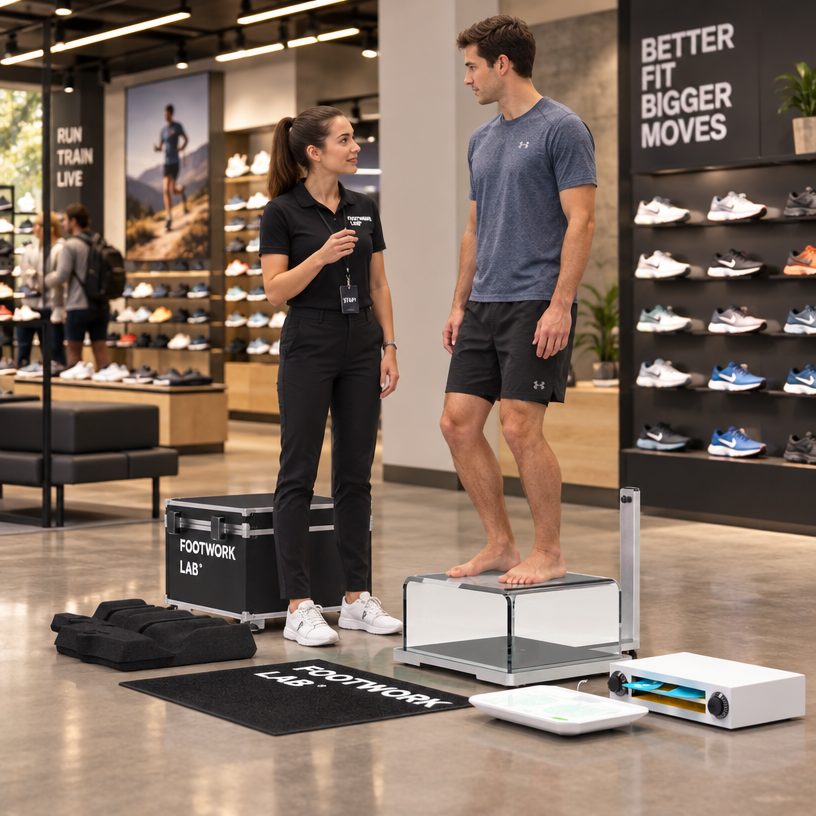
A dynamic pressure map is evidence, not a verdict. How to record it consistently and how to keep interpretation inside its limits.
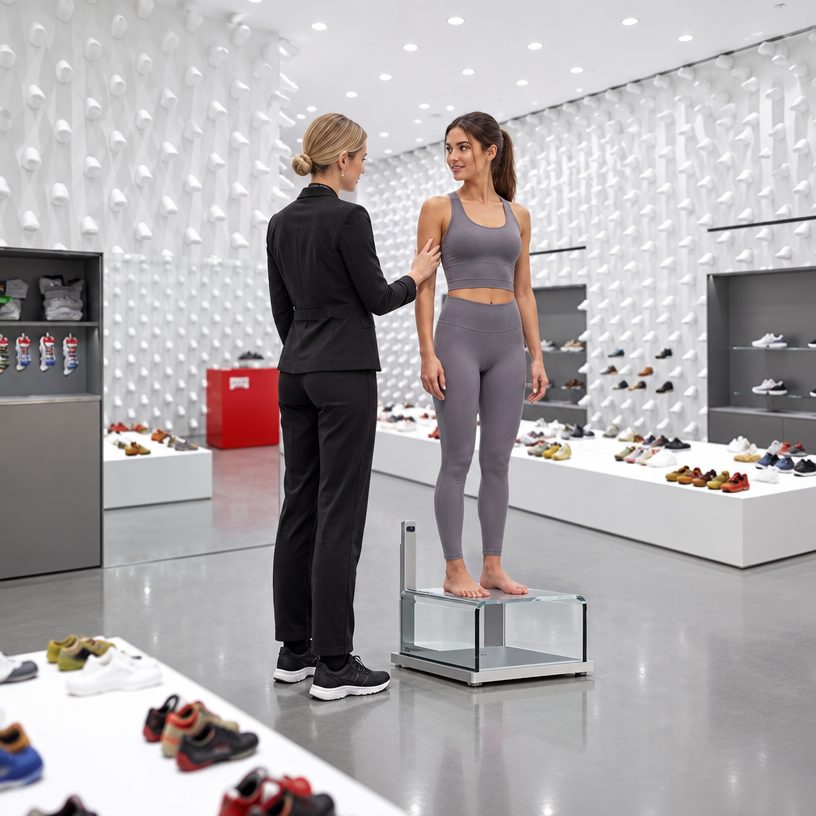
Three measurement families, one vocabulary, and a clear boundary between what equipment reports and what a professional decides.
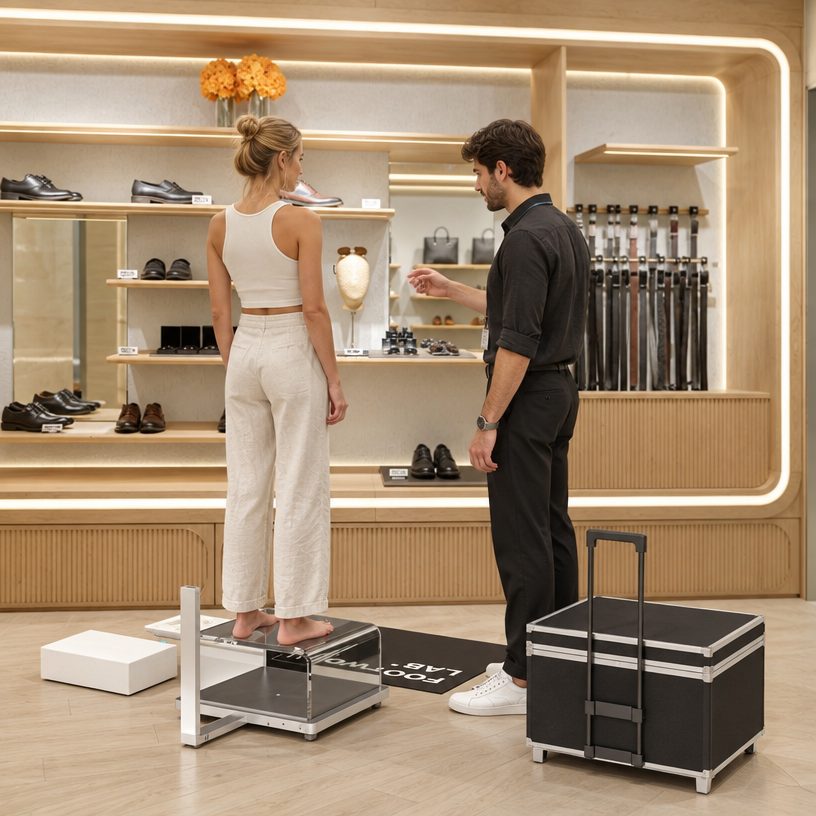
Listings borrow the phrase so freely that it no longer narrows the field. What to check instead, and how to tell what a unit actually records.
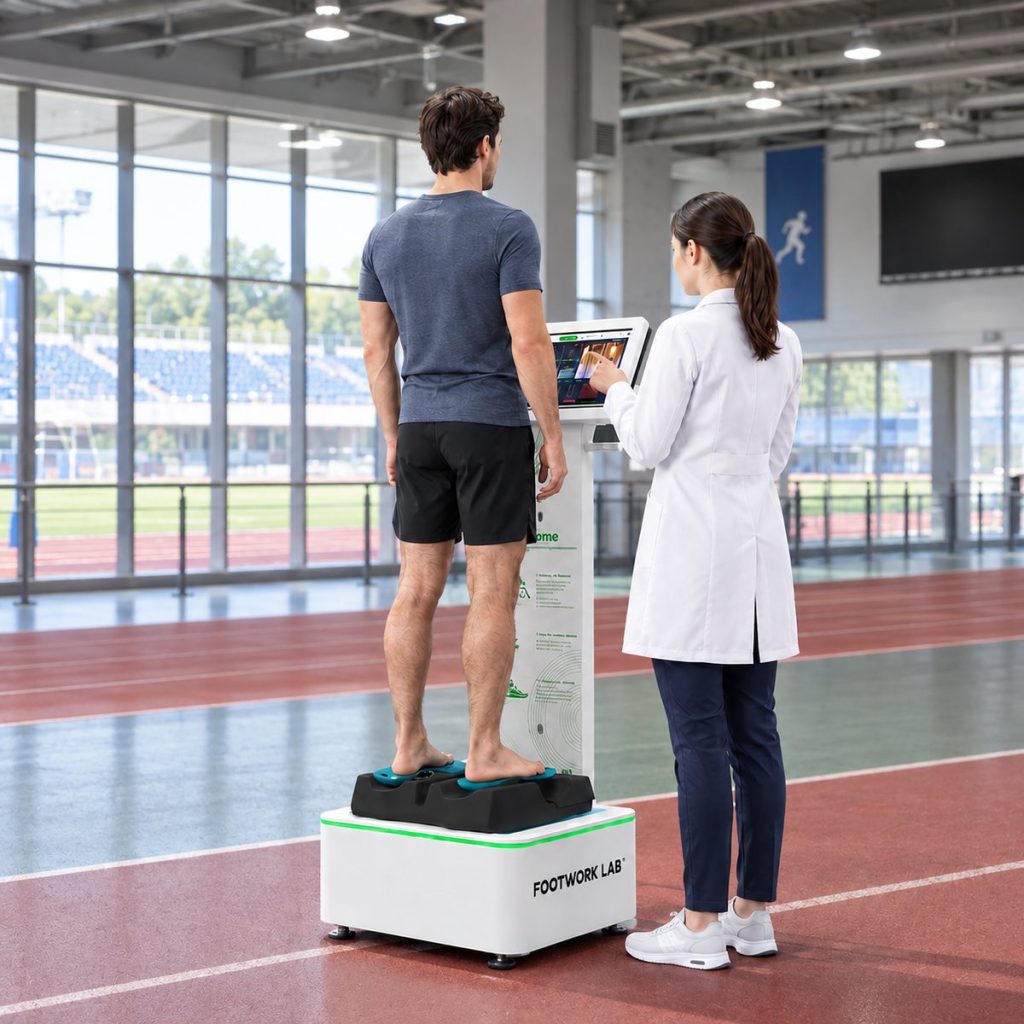
Used for posture observation, a foot scanner produces a standing record, a centre-of-gravity reference and an alignment image. Here is what that record covers, and the limits a clinic should keep in view.
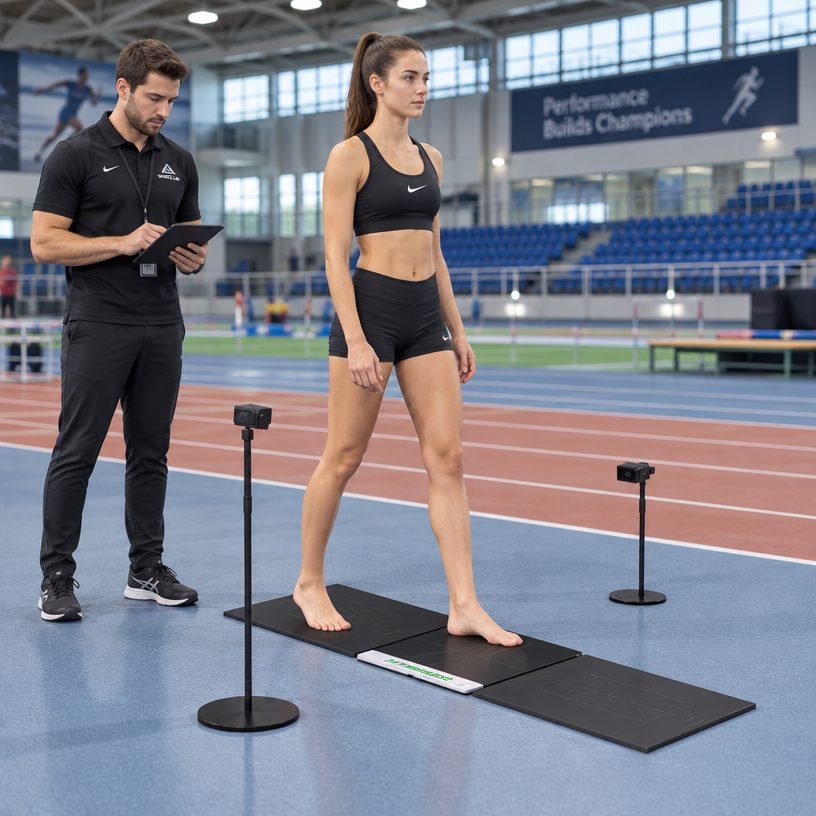
A walk-through of what a gait report actually contains — gait cycle, plantar pressure, centre of pressure and symmetry — and where the measurement stops and clinical interpretation begins.
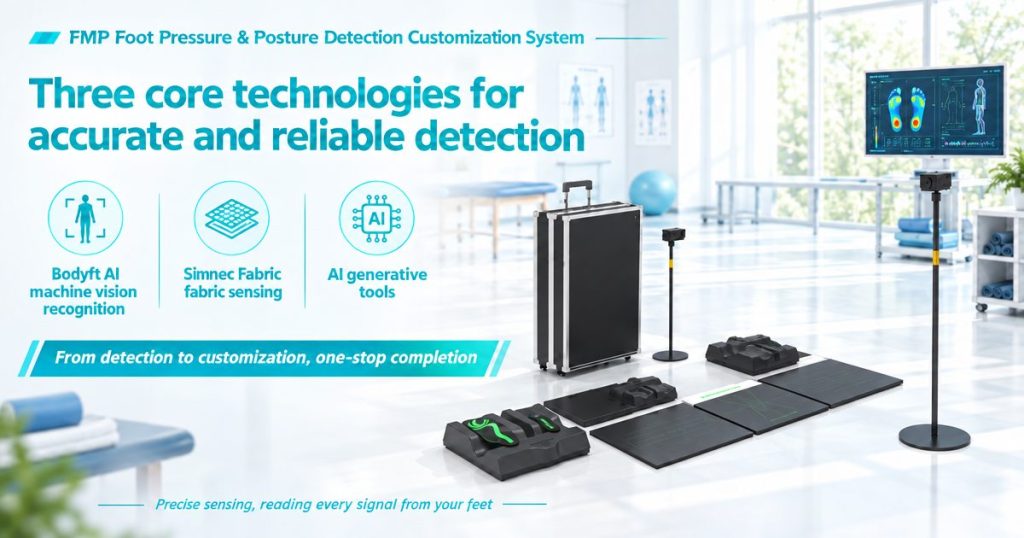
How a walkway gait assessment platform fits a rehabilitation unit: room and route, appointment timing, who reads the data, and comparing visits over time.