
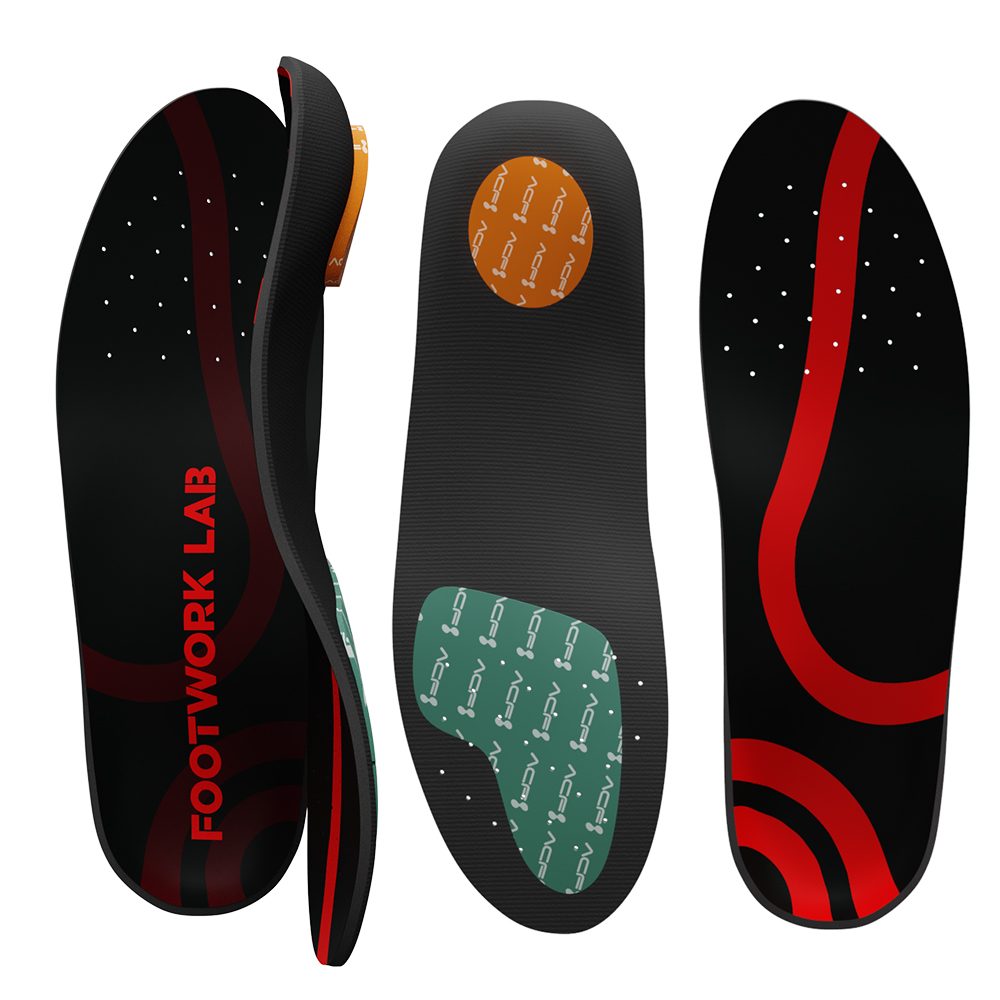
Machines for Walking Insoles: How a Clinic Builds an In-House Fitting Service
An in-house fitting service is a workflow before it is a machine. What the equipment has to do at each step, and where clinics overspend.

An in-house fitting service is a workflow before it is a machine. What the equipment has to do at each step, and where clinics overspend.
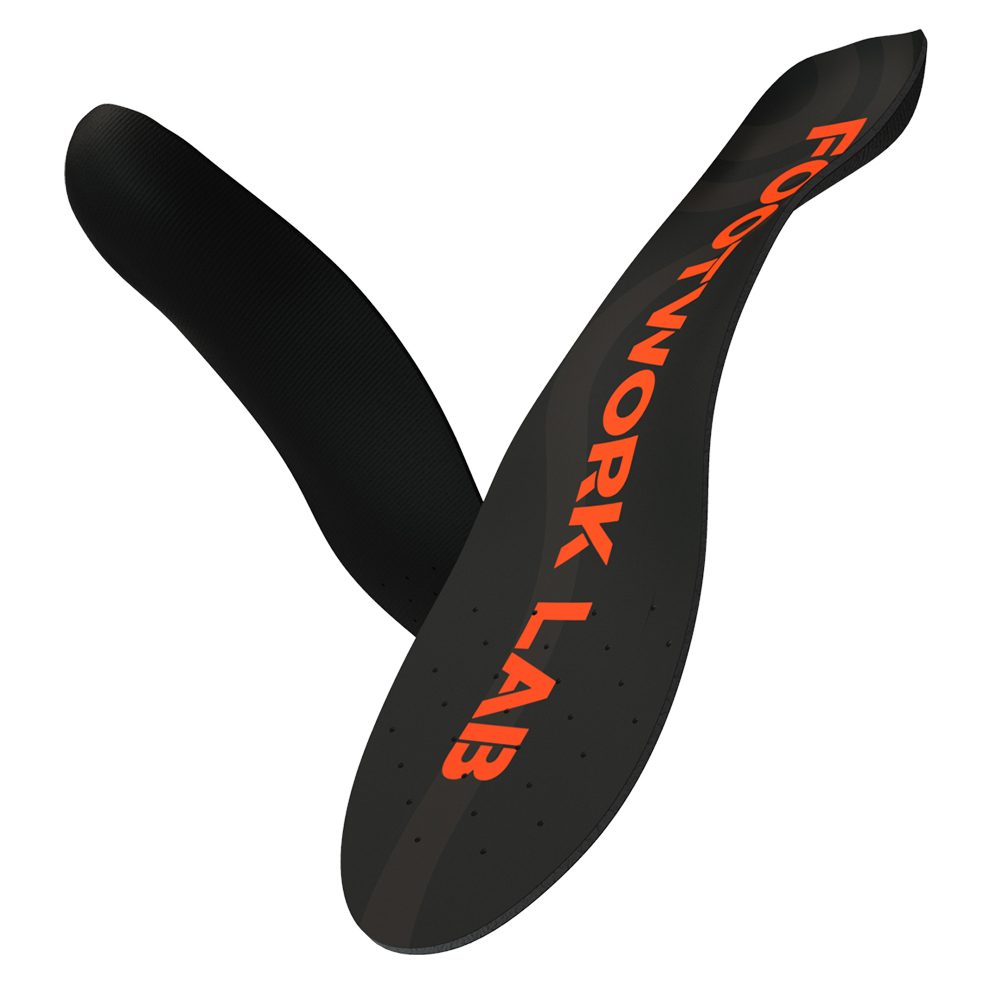
Stiffness-to-weight is a capability, not a benefit. Which recorded features justify a carbon element, and where the material is the wrong answer.
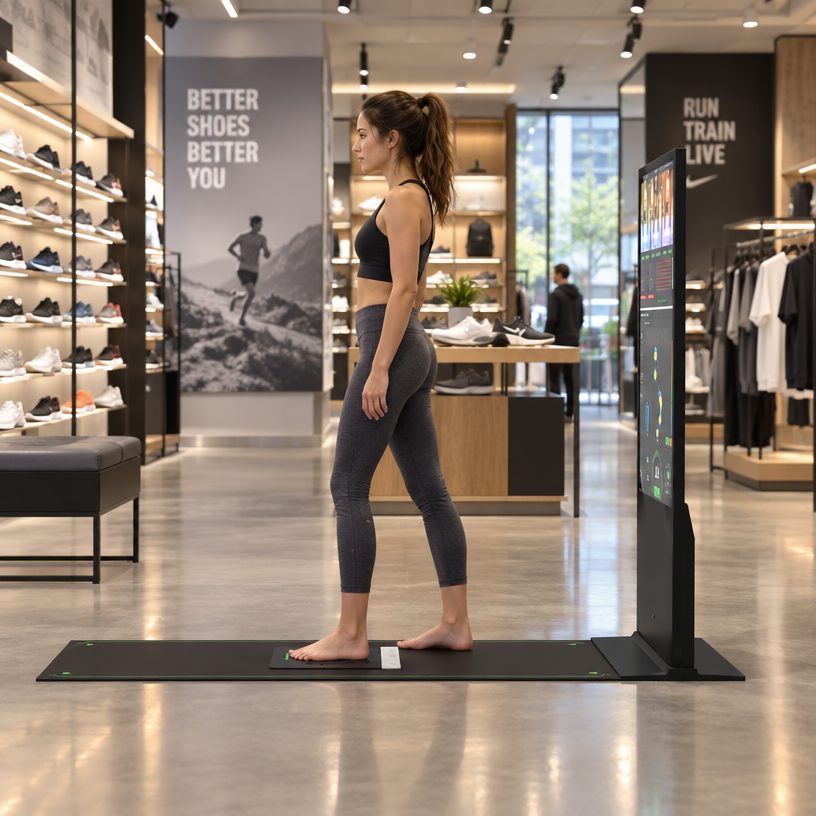
Conditions, whole foot, regions, comparison: the reading sequence that keeps a pressure map a measurement instead of a verdict.
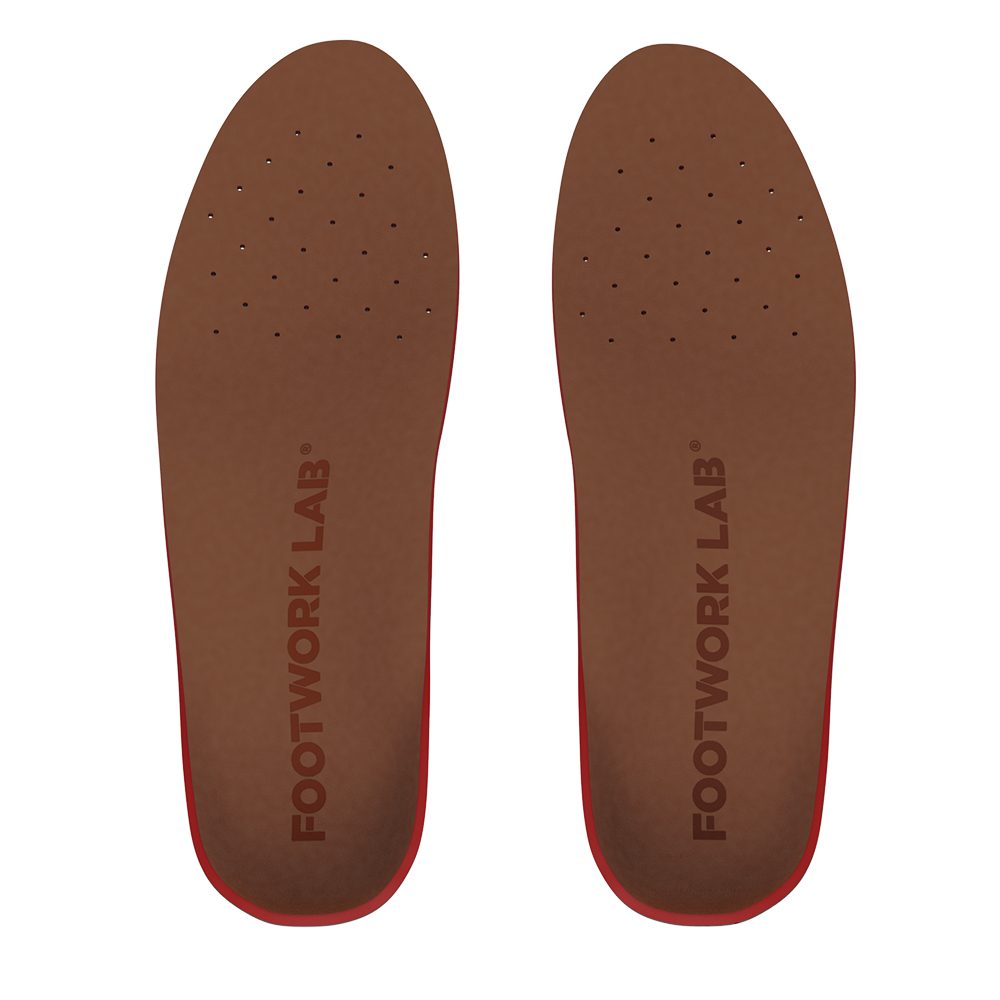
A material name opens the conversation; the build decides the outcome. How to brief, specify and verify a material-led insole order.
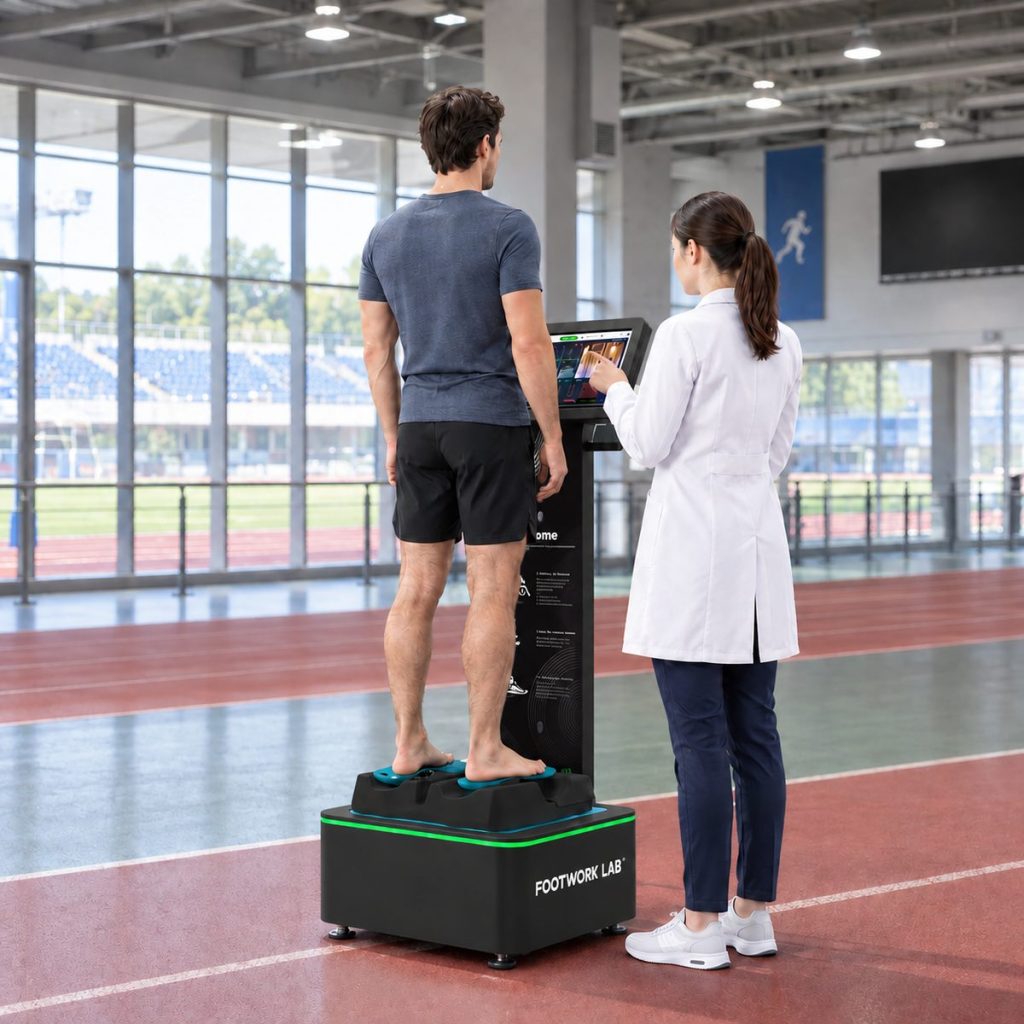
The pressure map looks like a verdict and reads like a recording. Where the instrument earns its place, and how to keep the reading honest.
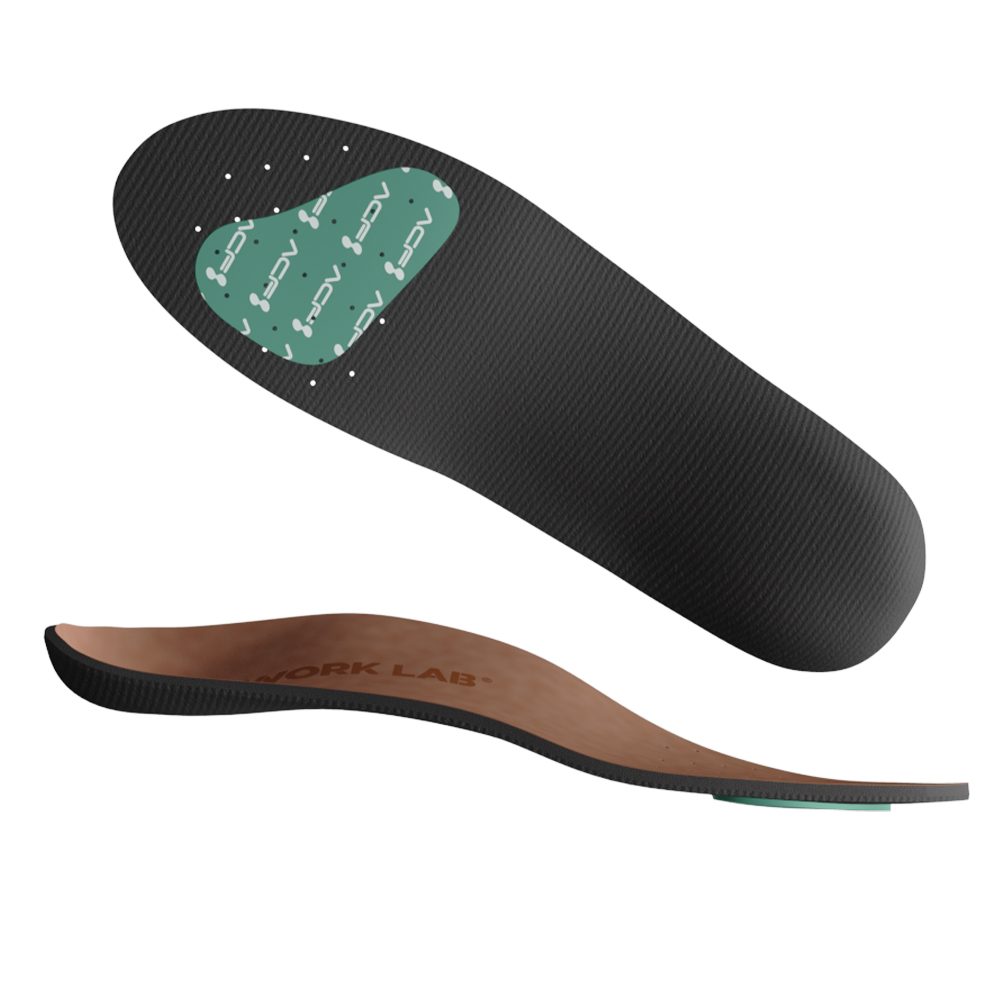
Custom is a chain, not a label: measured foot, written specification, inspected production. How to verify any supplier’s version of it.
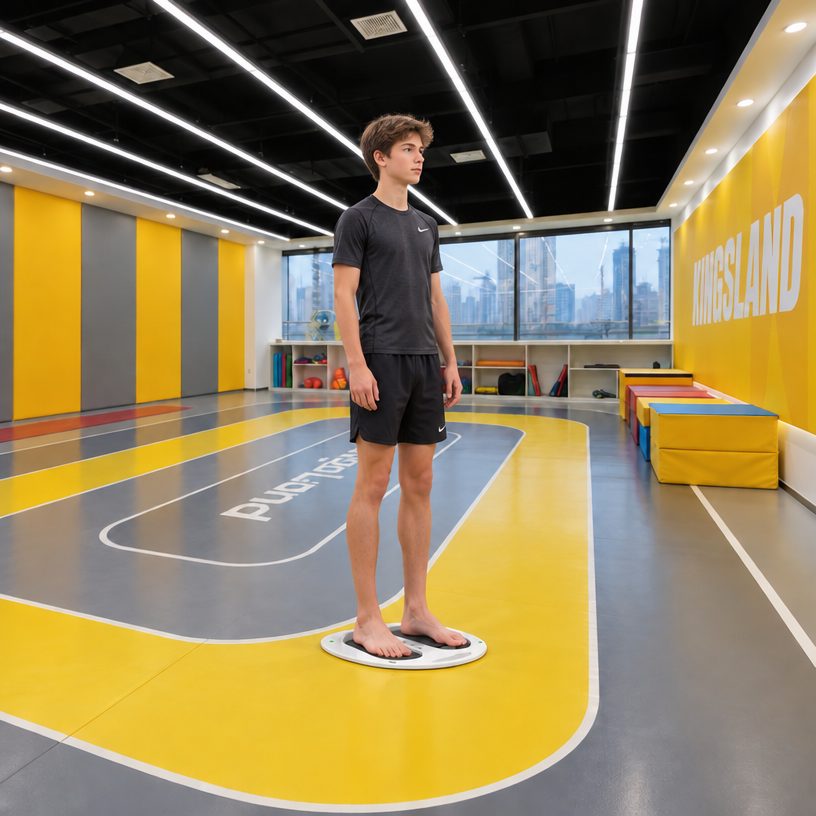
Three decisions in order: what to record, how it fits the room, who stands behind it. The sequence that keeps clinic purchases defensible.
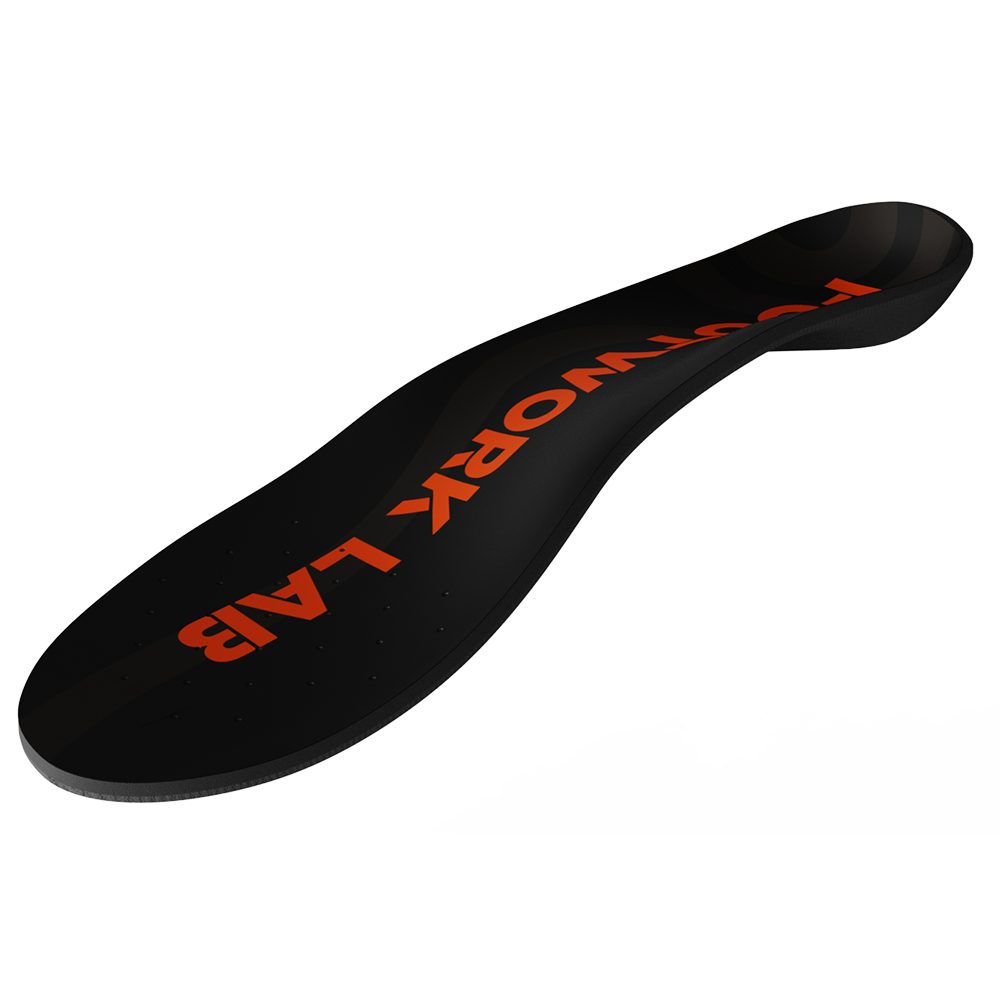
Hardware is stage three of three. What assessment and specification require first, and the hybrid model most businesses actually choose.
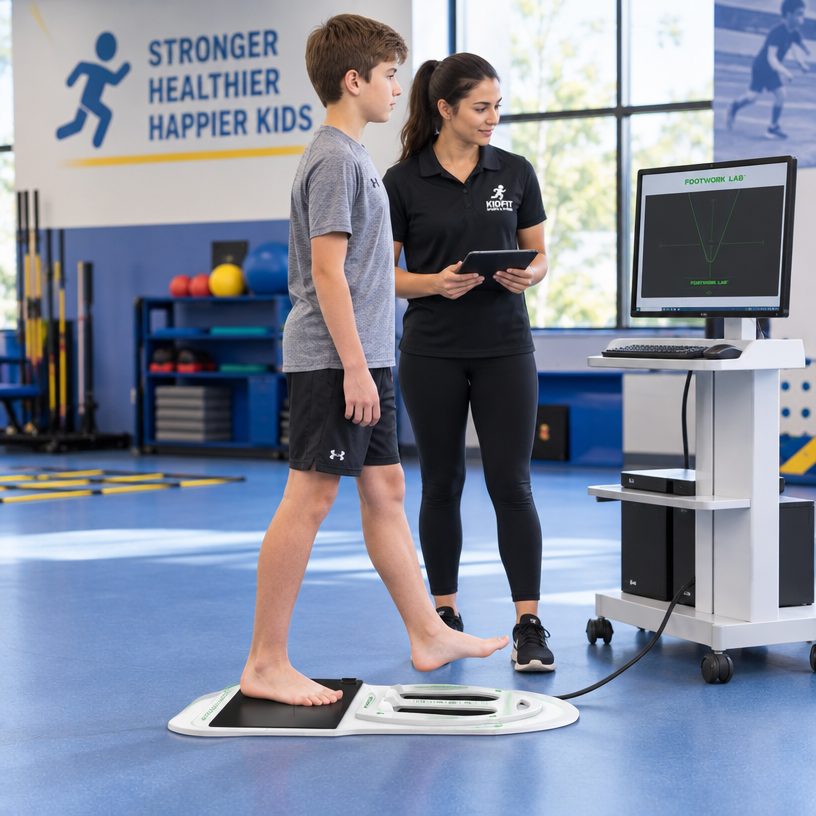
The phrase describes an impression, not a measurement principle. How to name the data you need, then compare instruments honestly.
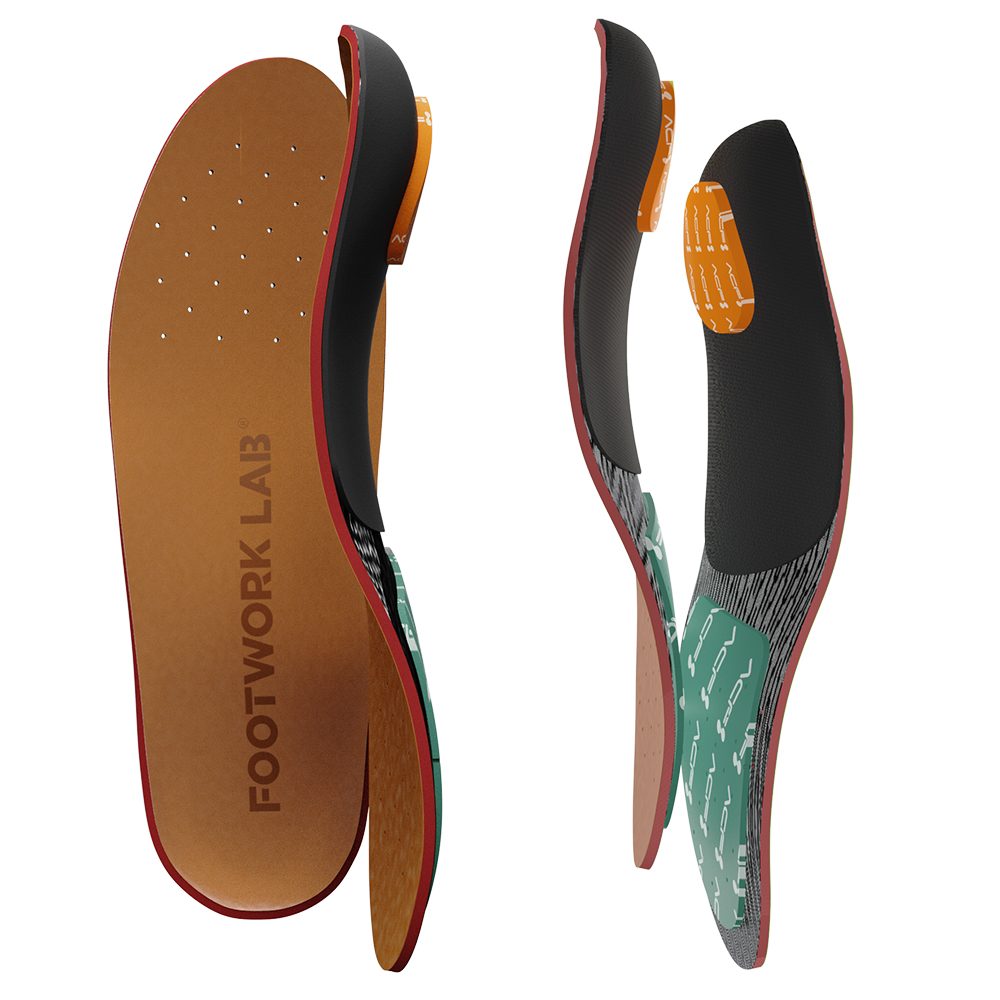
Catalog stock and measured production look alike in photos and behave nothing alike in a business. Where the differences actually land.
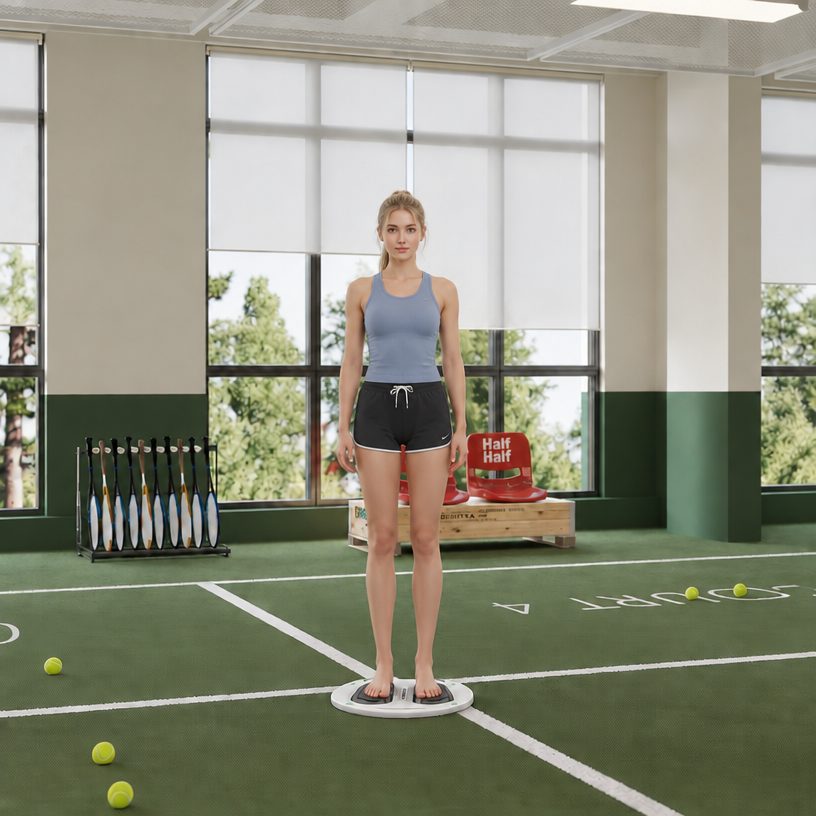
The search phrase covers four different instruments. How to name the data your service needs first, then compare machines honestly.
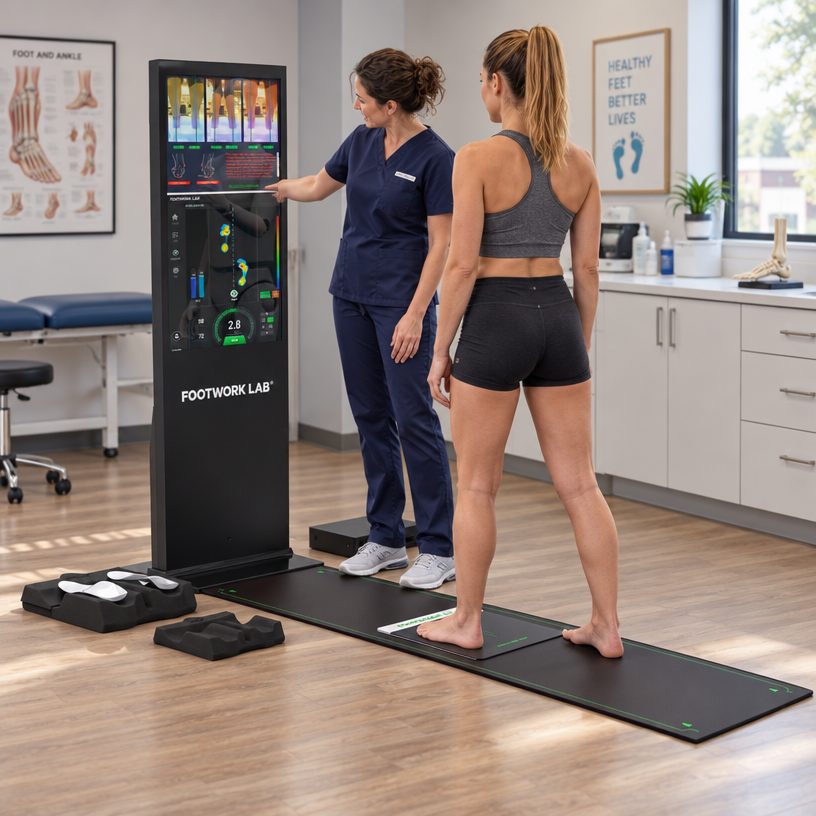
Camera-based capture describes position above the sole, which pressure data alone cannot reach. Placement, routine and the limits.