
The housekeeper starts room fourteen at eleven in the morning, and the cart she left the storeroom with an hour ago is already half empty and twice as awkward. Corridors that all look the same, a bathroom with a tub edged in porcelain that wants scrubbing from a crouch, a doorway the cart clips every single time, a guest who wants towels “now if possible.” The floor plan says her section is short. Her feet, by the end of the shift, disagree with the floor plan.
For the professionals who serve hotel groups — occupational health providers, physiotherapy practices, footwear and insole workshops with hospitality clients — housekeeping is one of the most under-read jobs in the building. It is assumed to be light work, and it is anything but: repetitive walking on hard corridors, crouching at tubs and toilet bases, pushing a loaded cart through doorways sized for guests rather than for trolleys. This piece is about what the job actually loads onto feet, what to ask before building for it, and how to follow up a team whose shifts, seasons and room counts never quite stay the same.
The distance the floor plan hides
Ask a housekeeper how far she walks in a shift and you will get a shrug. Ask to see the floor plan and it looks compact: a floor of rooms, a storeroom, a linen area, a lift lobby. The real distance is made of fragments that the plan never counts — storeroom to cart, cart to room, room to bathroom and back, bathroom to cart, cart to next room, and the walk back to the storeroom when linen or cleaning supplies run out mid-floor. Each fragment is short. Together they add up to a working day spent almost entirely on foot, in bursts of a few dozen steps, repeated until the section is done.
The repetition is the part that matters, and it is the part nobody sees. A delivery driver at least leaves the van and returns to it; a housekeeper never leaves the loop at all. Rooms arrive in sequence, each one demanding the same circuit — enter, strip, clean, restock, exit — on corridor floors that are almost always hard tile or stone, chosen for durability and mop-ability rather than for anyone standing on them. Between rooms there are turns: through doorways, around carts, past the housekeeping cupboard, into the bathroom where the floor changes again to porcelain.
The walking is also interleaved with everything else, which is why it hides so well. She is on her feet through every task — bed making, counter wiping, tub scrubbing — and the standing in place blends seamlessly into the moving between places, so no single stretch feels long enough to complain about. By the end of the shift the total is real, but it arrives as one ache rather than a story. Professionals who serve this population learn to ask about the shift’s rhythm rather than its distance, because the rhythm is what the body actually keeps.
Corridors, elevators and the long middle
The corridor is the housekeeper’s highway, and it deserves professional attention. Long, straight, hard-floored and often narrow enough that the cart and the person cannot share it comfortably, it is where most of the shift’s steps happen at a pace set by the room count rather than by the body. The floor under it is frequently tile over concrete — unforgiving, unbuffered — and the corridors of older properties can be worse than the guest rooms themselves: thresholds at doorways, changes of level between sections, ramps where there should have been lifts.
Elevators and service areas add their own texture. The service lift means waiting — standing, cart in hand, in the one spot where the tile meets the metal threshold — several times an hour on busy floors. Linen rooms and storerooms are tight, and retrieving stock means reaching, twisting and stepping back over the cart’s own footprint. None of these moments registers as work. All of them load the foot in the small, off-centre ways that accumulate: the half-turn through a doorway, the weight parked on one leg while waiting for the lift, the reach that tips the body onto the forefoot.
The middle of the shift is where the pattern pays its bill. Morning rooms are the heaviest — full turnover, strip and rebuild, bathroom from top to bottom — and they arrive in a block before checkout deadlines. Afternoon brings departure cleans and evening turndowns in a thinner but longer stream. Ask when the feet are worst and most housekeepers answer “by the middle of the afternoon,” which is the point where the morning block’s load has accumulated but the shift is not over. Any recommendation that ignores where in the day the load peaks has half the picture, and the interview should pin that down before anything is measured.
Inside the room: porcelain, beds and crouching
The guest room is a sequence of load scenarios disguised as cleaning tasks. The bathroom comes first in the day’s cruelty: tubs and shower bases edged in porcelain, scrubbed from a crouch or a kneel, with the wrist and shoulder doing the advertised work while the foot does the quiet one — folded under, braced against the tile, rocking with each stroke. Tile floors, wet, demand grip from a foot that is not wearing its walking shoe but its working shoe, the same shoe all day, doing a posture the shoe was never chosen for. Then the toilet base, the tile behind it, the corners where the mop head gives up and the cloth must take over.
The bed is the second scene. Stripping and remaking a bed means reaching across it, which loads the forefoot and the toes as the body’s weight tips forward onto the mattress edge, again and again, on both sides of the bed. Tucking sheets under a made mattress is a sustained lean. Higher beds on thicker mattresses make every one of these reaches a little longer, and the difference shows up not in the back story the guest complains about but in the ball-of-foot story the housekeeper stops mentioning because it has become ordinary.
What all of this means for the professional is that housekeeping’s load is not one pattern but a rotation of them: corridor walking, crouching scrub, forward lean, standing wait — each recurring dozens of times per room, rooms recurring fourteen-plus times before lunch. A measurement taken during a single task captures one scene of the play. This is a population where the interview, the wear pattern on the current insoles, and the customer’s own map of where the day lands are worth as much as any single record, and where the assessment’s job is to catch the rotation rather than one scene of it.
The cart: pushing, pulling and doorways
The housekeeping cart is the job’s third character, and it changes the load profile more than any other piece of equipment in the building. Loaded for a morning block, it carries linen, towels, cleaning supplies and the wastebags of a full section — a weight the housekeeper steers rather than lifts, which sounds gentle until the friction arrives. On tile, a loaded cart rolls; on carpet, it drags; over thresholds and doorstops, it stops dead and must be heaved across with a jerk that travels straight up the arms and down into the braced foot.
Doorways are the recurring antagonist. Service doors and guest room doors are sized for people with suitcases, not for loaded trolleys, so every entry becomes a three-point manoeuvre: pull the cart through at an angle, hold the door with a foot or a hip, straighten the cart inside, reverse the sequence on the way out. Each manoeuvre loads the foot off-centre — the bracing foot edging the door, the pushing foot driving from an angle — and it happens twice per room, room after room. Over a section, the doorway work alone is a workout nobody scheduled.
Then there is the weight that moves during the day. A cart is heaviest in the morning and lightens room by room, which sounds like relief and often is not: a half-empty cart has shifted its own balance point, and the remaining stock slides and rattles, so the housekeeper steers more, corrects more, and braces more. Ask about the cart in the interview — what it carries at its heaviest, which floors fight it, where the doorways are worst — because the answers map a set of bracing loads that no walking record will show, and because a recommendation that fits the walking but ignores the cart will read fine on paper and fail on the fourth floor.
What to ask before building for housekeeping
The interview for this population should be built around the shift’s actual rhythm. Start with the section: how many rooms on a full day, how many of those are full turnover versus quick service, which floor and which corridor. Ask about the hotel’s own organisation — room assignments that change daily, cart stocking by the housekeeping department or by the individual, whether carts travel on guest lifts or service lifts, and how far the storeroom sits from the section’s far end. Two housekeepers in the same building can live entirely different foot days depending on where their sections sit.
Move next to footwear, because hotels issue rules here that shape everything. Slip-resistant soles are usually mandatory; some properties issue shoes, others specify approved models, others simply require black, closed, non-slip. Ask what she actually wears, whether it has a removable footbed, and what happens to it on wet bathroom floors — because the truth about grip inside the room is something staff know and policy documents do not. Then the open body questions: where the feet end up by mid-afternoon, what the bathroom crouch costs, what she does when the cart hits a threshold. Her answers are a map drawn by the person who lives on the terrain.
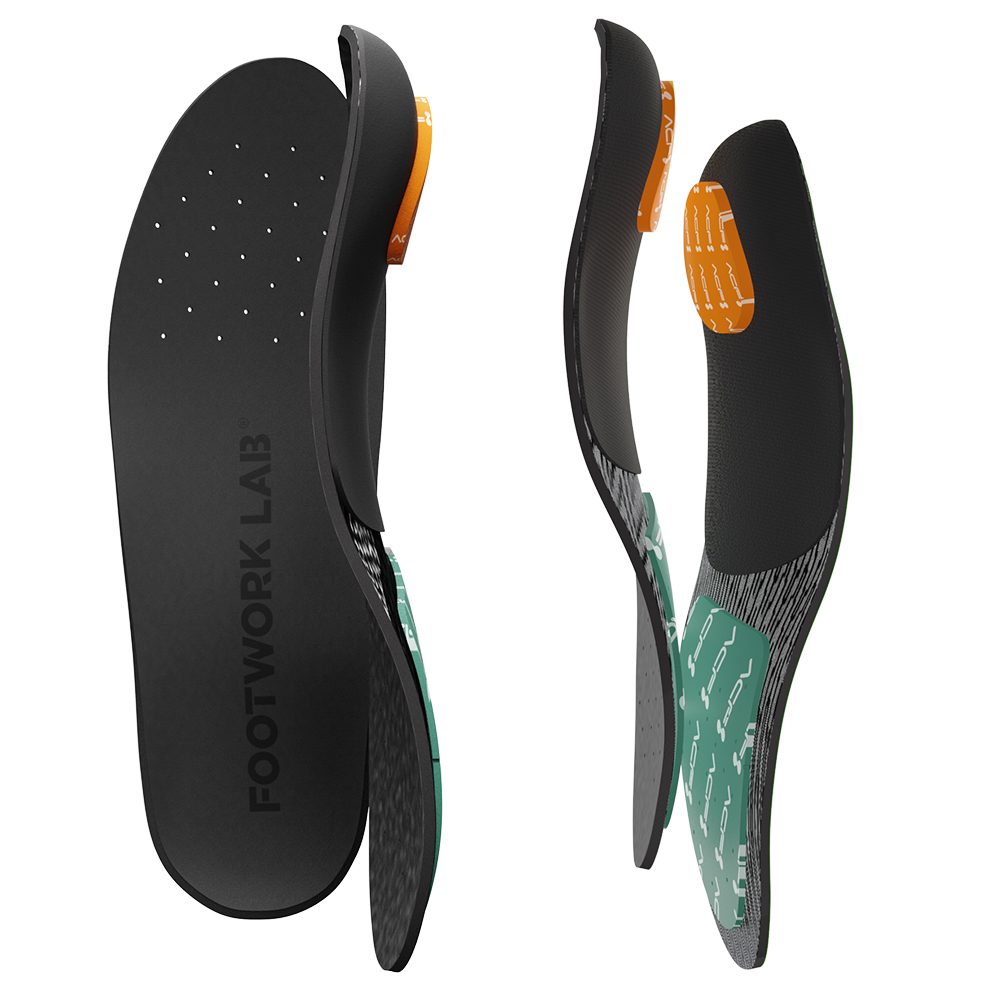
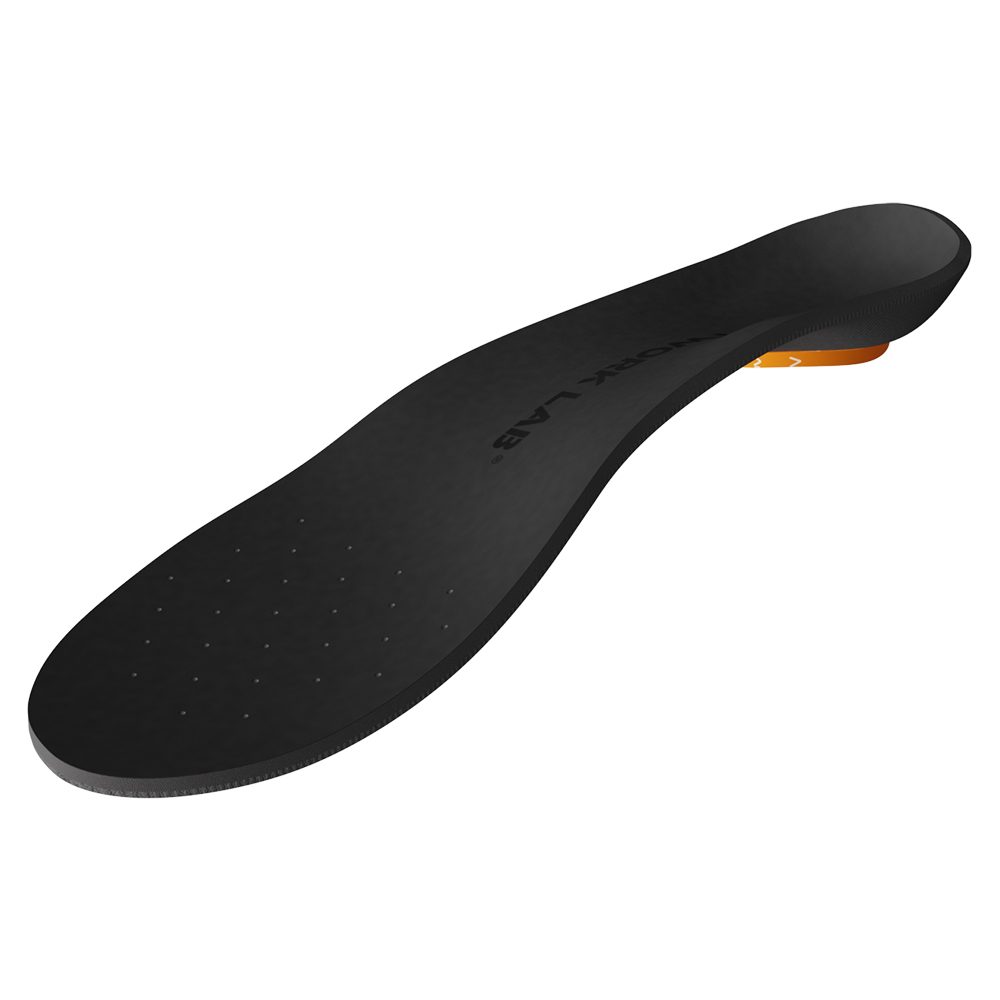
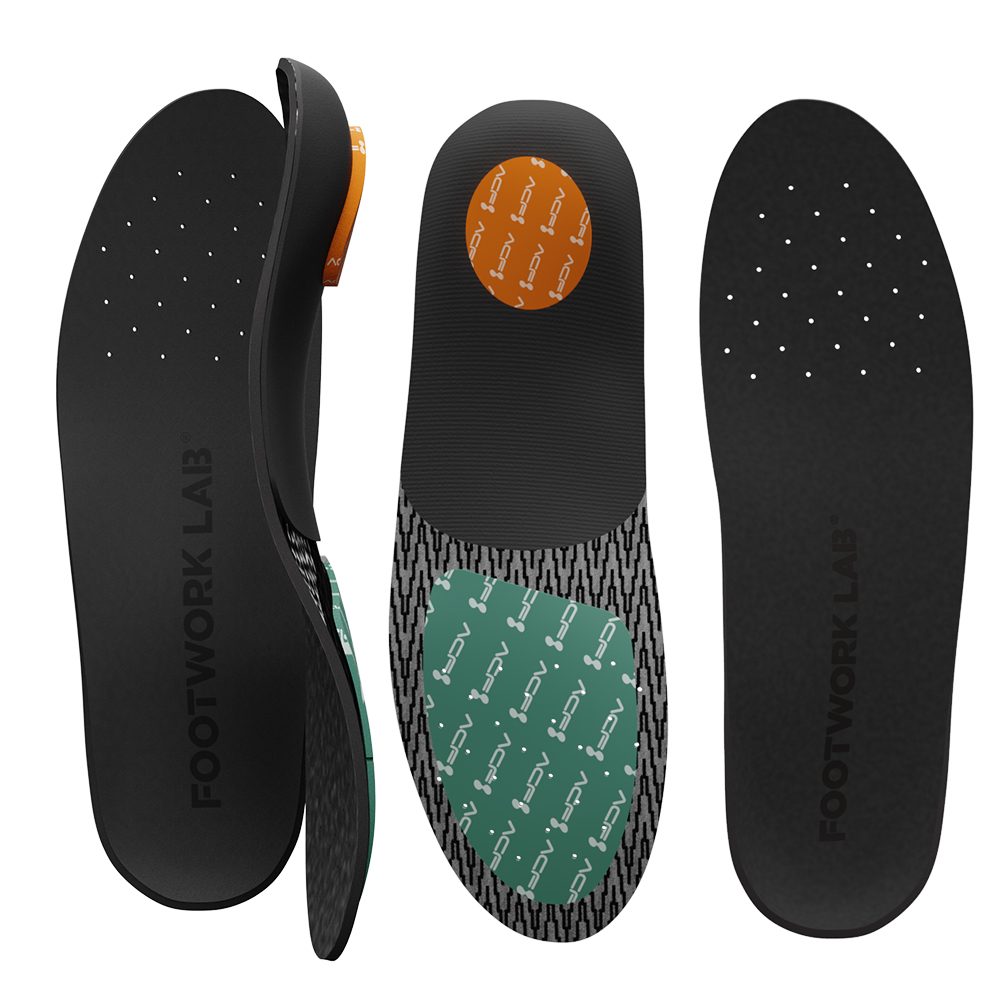
The assessment, when it follows, should reflect the rotation described earlier: a walking record for the corridor pattern, a standing record for the waiting and task-standing, and the interview carrying the scenes a platform cannot stage — the crouch, the reach, the doorway brace. The equipment produces its measurements faithfully; which measurements matter for this foot, this shoe and this section is the professional’s reading, made with the whole shift in view. For workers whose problem is a building, a pair of custom orthotic insoles built to the measured pattern is the intervention that moves with her from floor to floor, but it is only ever as good as the picture of the shift that shaped it.
Footwear rules that get in the way
Hospitality footwear policy is written for guest safety and brand image, and housekeepers live inside the consequences. Slip resistance is the legitimate core: bathroom tiles, wet corridors and kitchen thresholds make it non-negotiable, and nobody should recommend against it. But slip-rated soles are often flat, stiff and close-fitting, the toe box narrow for neatness, the internal volume modest — and when the property issues or mandates specific models, the build has to fit whatever shoe the policy allows rather than whatever shoe would be ideal. Checking the removable footbed is the first practical step: without one, depth is scarce, and the honest answer about what a build can achieve arrives before the build is even ordered.
The same shoe does every task, which is the quiet problem. A shoe chosen for corridor grip is also the shoe for the tub crouch, the bed lean and the doorway brace — postures that load the shoe at its sides, its toe and its flex points in ways corridor walking never tests. Ask to see a shift-worn pair: the wear on the inside edge, the crushed toe area, the collapsed heel counter tell you where the job actually happens, and they frequently disagree with the owner’s account in useful ways. Fit inside the working shoe, laced and fastened as on shift, is the only fitting that counts; the shoes worn to the appointment are guests.
Then there is the day-to-day wear cycle. Hotel shifts are daily, shoes are worn far more hours than office footwear, and moisture from wet-floor work shortens the life of everything inside the shoe — the issued shoe, the footbed that came with it, and any build that replaces that footbed. Rotation matters here as much as it does on the apron: two pairs of shoes and two builds alternating, each dried overnight, will outlast a single hard-worked pair by more than double, and the drying habit costs nothing but the shelf space.
Seasons, turnover and follow-up
Hotels do not have steady weeks, and follow-up plans that assume they do will misfire. Occupancy runs in seasons, room counts per housekeeper shift with staffing levels, and the load profile of August is not the load profile of February. A programme for a housekeeping team should therefore anchor its reviews to the calendar: one check as the high season opens, when room counts climb, and one as it closes, when the wear surfaces of a season of work can be read honestly. Between reviews, the team’s own reports — collected at the morning briefing or by a supervisor — catch the failures that only show up under load.
At each review, read the evidence in the order that tells the truth fastest. The wear surface of the build first: compressed under the heel from corridor kilometres, concentrated under the forefoot from the bed reaches, worn at the edges from the doorway braces? The pattern usually names the task that dominates, and it should match the housekeeper’s account — when wear and story disagree, one of them is new information. The issued shoe second: has the policy changed, has the model changed, has a new supervisor ordered a different specification? Then her account third, in her words, compared to the season’s start.
For teams rather than individuals, the arithmetic works at scale: room counts produce crews, crews produce size runs, and production capacity for custom insoles at our own plant — roughly five hundred to a thousand pairs a day, mixed models and mixed sizes — exists precisely so a hotel group can outfit a housekeeping department the way it outfits anything else, with sample builds trialled before team-wide orders. Rebuild triggers stay the same as anywhere: wear that has broken through, fit changed by a new issued shoe, or a housekeeper whose section — and therefore whose load — has changed. The building did not get gentler; the follow-up just keeps the answer current.
Frequently asked questions
Why do housekeepers’ feet ache if the work looks light?
Because the load hides in fragments. A shift is built from short walks repeated all day — storeroom to cart, cart to room, room to bathroom and back — on hard corridor floors, interleaved with crouching at tubs, leaning across beds and bracing against a loaded cart. No single stretch feels worth reporting, but the total arrives by mid-afternoon as one heavy, ordinary ache.
Does the cart matter more than the walking?
It changes the load as much as the walking does. A loaded cart steers rather than lifts, but doorways turn every entry into a bracing, off-centre push, thresholds stop it dead, and a half-empty cart shifts its balance so the housekeeper corrects more all afternoon. Any recommendation built from the walking pattern alone will miss the cart’s bracing loads entirely.
What should we ask before recommending insoles for housekeepers?
The section first: room counts, full turnover versus service cleans, floor and corridor. Then the hotel’s footwear policy — issued, approved list, or open — and whether her actual shoe has a removable footbed. Then open questions: where her feet end up by mid-afternoon, what the bathroom crouch costs, what she does when the cart hits a threshold. Her answers are a map drawn by someone who lives on the terrain.
Will a pair work inside the hotel’s issued shoes?
Only if it was built and checked against them. Slip-rated issued shoes tend to be flat, stiff and close-fitting, so internal depth is the constraint, and the removable-footbed check comes before any promise. The fitting happens in the working shoe, laced as on shift — the shoes worn to the appointment are guests. If the policy changes the shoe model, every existing build needs checking against the new shoe.
How does kneeling at bathtubs change the load?
The crouch and kneel load the foot folded under and braced against wet tile, rocking with each scrub stroke — a posture corridor walking never produces, in the same shoe doing a job it was not chosen for. It is one scene in a rotation that also includes bed reaches and doorway braces, which is why the interview and the wear pattern carry evidence a single walking record cannot stage.
How many pairs does a housekeeping team need?
Plan for rotation: two pairs per person alternating, each dried overnight, outlasts a single hard-worked pair by more than double. At team scale, production runs can mix models and sizes in one order — capacity at our own plant runs around five hundred to a thousand pairs a day — with sample builds trialled by a few staff before a department-wide commitment.
When should a pair be rebuilt?
Anchor reviews to the calendar, because occupancy seasons change room counts and room counts change load: one check as high season opens, one as it closes. At each review, read the wear surface first — it usually names the dominating task — then the issued shoe for policy or model changes, then her account in her words. Wear that has broken through, or fit changed by a new shoe, means a fresh measurement rather than reassurance.
What we would do next
If hospitality is on your client list, take one measurement habit and one question into the next housekeeping fitting. The question: “walk me through one room, start to finish” — and write down every time her weight moves off-centre, because that list is the job. The habit: check the wear pattern on the shoes she is wearing, not the pair she brought, because shift-worn shoes tell you where the section actually happened. The same principle of reading the task before the foot runs through every repetitive workplace, including the assembly lines where the rooms’ worth of repetition becomes industrial (Same Ten Steps, Ten Thousand Times: Insoles for Assembly Lines).
For hotel groups, start with one floor rather than one worker: map the sections, the cart routes and the footwear policy, fit a trial group, and read the season against the group’s notes before scaling. If you already serve housekeeping teams, here is the question we would put to you: when a housekeeper says the shoes are fine but the corridors are the problem, what do you actually change — and who do you tell? We ask because the honest answer usually belongs to someone who has never measured a corridor in their life.
This article is intended for professional and educational reference. It is not medical advice. Foot assessment equipment produces measurements and images; clinical interpretation and any decision about care remain the responsibility of a qualified professional. Certification scope is limited to the documentation we hold: European Union certification and ISO quality system certification.