
Insoles for shoes fail for reasons that have very little to do with the
foot. A pair can be beautifully formed, correctly measured and made from good material, and
still end up in a drawer because it does not sit properly inside the footwear it was bought for.
The volume available inside a shoe is a hard constraint, and it is the constraint most often
overlooked when a buyer specifies a design. Getting this right is not complicated, but it does
require a short conversation about footwear before the conversation about materials.
FOOTWORK LAB manufactures custom orthotic insoles alongside our foot assessment equipment, from
the same plant in Ruichang, Jiangxi Province, where we have produced since 2018. Insoles are a
volume business for us: production runs at roughly five hundred to one thousand pairs per day, and
we ship samples within three days. That volume gives us a clear view of which specification
questions decide whether a pair actually gets worn, and which ones turn out to be decoration. This
article sets out the former.
Why the shoe matters as much as the foot
An insole occupies space that the shoe was not designed to give away. Every millimetre of
thickness added under the sole comes out of the volume available for the foot, and that volume is
already allocated to toes, instep and heel. Exceed it and the consequences are predictable: the
foot sits too high in the shoe, the heel lifts, the upper feels tight across the instep, and the
wearer stops using the pair within a week.
This is why an insole specification has two halves rather than one. The first half describes the
foot: outline, arch profile, length, width, and how load distributes. The second half describes the
footwear: how much depth is available, whether the existing footbed can be removed, how the shoe is
constructed, and what kind of activity it is used for. A design that satisfies only the first half
is a laboratory object. A design that satisfies both is a product.
The footwear half is also where buyers get the most value from their supplier. A factory that
produces insole families at volume sees the same footwear categories repeatedly, and it can usually
say in one message whether a proposed design will sit inside a particular shoe. That answer costs
nothing and saves a great deal of frustration.
It is worth adding that the fit question is separate from the measurement question. Equipment can
describe the foot with considerable precision, and none of that precision compensates for an insole
that does not fit the shoe. Measurement and fit are two gates, and a pair has to pass both.
The three measurements that decide whether an insole fits a shoe
When we review a specification with a new client, three quantities come up almost immediately.
None of them require special equipment to discuss, and all of them determine the outcome.
- Available depth. How much room exists between the foot and the shoe’s own
footbed once any removable layer is taken out. This is the governing constraint, because it caps the
total thickness of the insole regardless of what the foot data suggests. - Sole outline and trim. The insole has to follow the internal shape of the shoe,
not the outline of the foot. A foot outline placed inside a shoe with a different last will buckle at
the edges or leave a gap, and both are felt immediately by the wearer. - Intended activity. A walking shoe, a training shoe and a competition shoe
present different requirements, and the same foot may need different answers for each. Activity
decides both the material choice and how the design is formed.
Two practical points follow from these three. First, if the shoe has a removable footbed, remove
it and measure what is left; the removable layer is usually where the depth comes from. Second, if
a client supplies footwear from more than one manufacturer, handle each family as its own
specification rather than assuming a single design will serve both.
Matching design families to footwear categories
Most insole ranges are organised into families rather than individual products, because footwear
and activity cluster in recognisable ways. Our own range follows that pattern, and you can see the
groupings on the insole categories page. Understanding the logic
helps a buyer ask for the right family instead of describing a product from scratch.
Everyday footwear
The largest category by volume. The priorities here are comfortable depth, a design that does not
require the wearer to change shoe size, and durability across months of daily use. Design decisions
that add bulk are usually rejected by the wearer regardless of their technical merit.
Sports and training footwear
Here the priorities shift towards how the design behaves during movement, how it handles
repeated loading, and how it interacts with the shoe’s own midsole. Cushioning, resilience and
weight all matter more than in the everyday category.
Rehabilitation and care settings
Designs specified within a supervised setting have the advantage of professional oversight, which
means the specification can be more specific and the wearer can be guided through a period of
adaptation. This is also the setting where records matter most, because a course of care involves
several pairs over time and comparability between them is useful.
Specialist and accommodation requirements
Some footwear falls outside the standard categories: unusually shallow dress shoes, safety
footwear with limited internal volume, or shoes with unusual lasts. These need individual discussion
rather than a catalogue answer, and a factory relationship is worth more here than a website with a set catalogue.
What to confirm with a supplier before ordering
Five confirmations prevent almost every insole order problem we encounter. They are worth
requesting in writing, because they form a shared record that both sides can return to.
- Minimum order quantity and mixing rules. Our insole minimum is two hundred
pairs, and models and sizes can be mixed within an order, which lets a clinic or retailer trial a
range rather than commit to one design. - Sample lead time and cost basis. Samples leave us within three days. Ask how
samples are supplied and what the sample represents, because a sample that is not produced under the
same process as the bulk order tells you very little. - Customisation options. We accept both ODM and OEM on insoles. Confirm which
parts of the design are open to change — dimensions, materials, surface finish, branding,
packaging — and which are not. - Quality checks and inspection. Ask what is inspected, at which stage, and what
happens to a batch that fails. A supplier who cannot describe their inspection process in plain
language probably does not have one. - Capacity and scheduling. Our capacity is roughly five hundred to one thousand
pairs per day. Ask how a peak season affects lead time, and ask early, because capacity is finite
everywhere.
One habit worth adopting from the start is to write the specification as a short document rather than a series of messages. Two pages is enough: the footwear to be served, the volume available in each, the activity, the design family chosen, and the quantity pattern expected over a year. A written specification is what makes a second order match the first, and it is also what makes a dispute resolvable, because both sides are working from the same description rather than from memory.
Materials and forming: what affects how a pair wears
Material choice is often presented as the technical heart of insole supply. It matters, but it
matters in service of the three fit constraints described earlier, not as an independent virtue. A
sophisticated material in a design that does not fit the shoe will still not be worn.
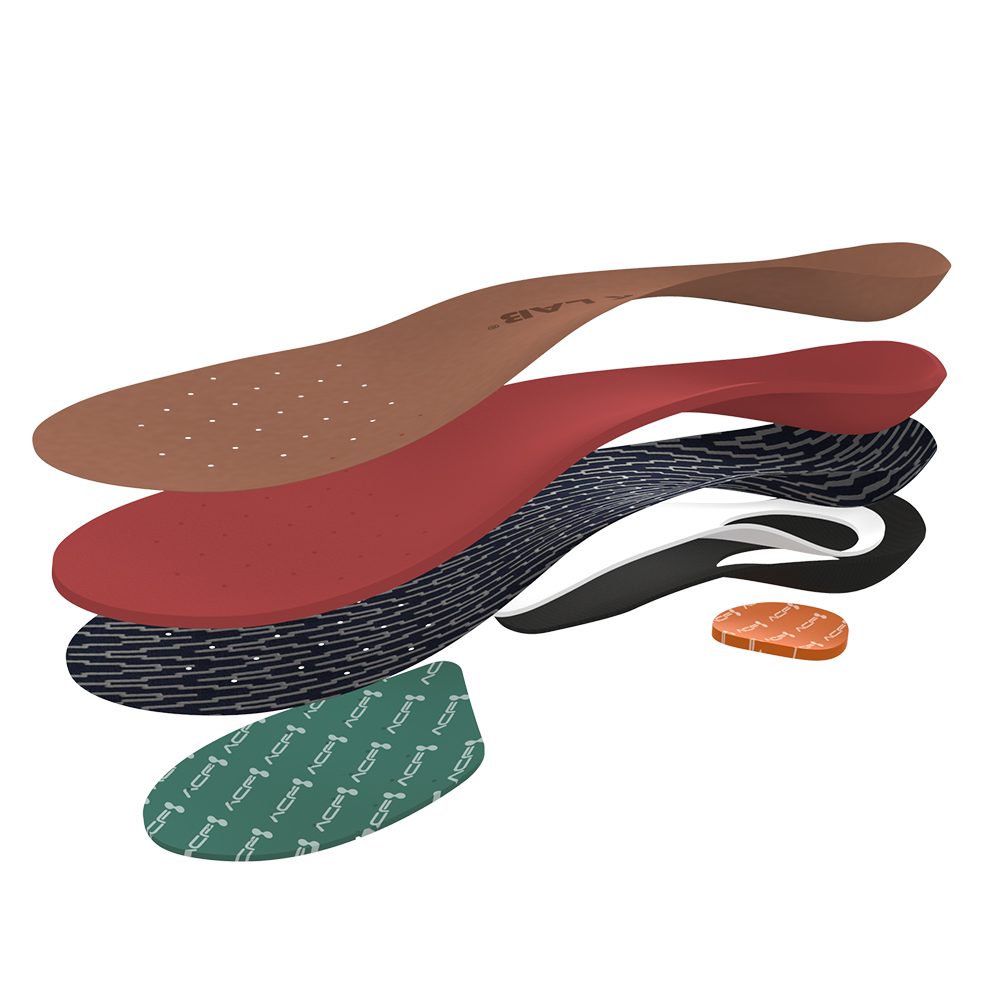
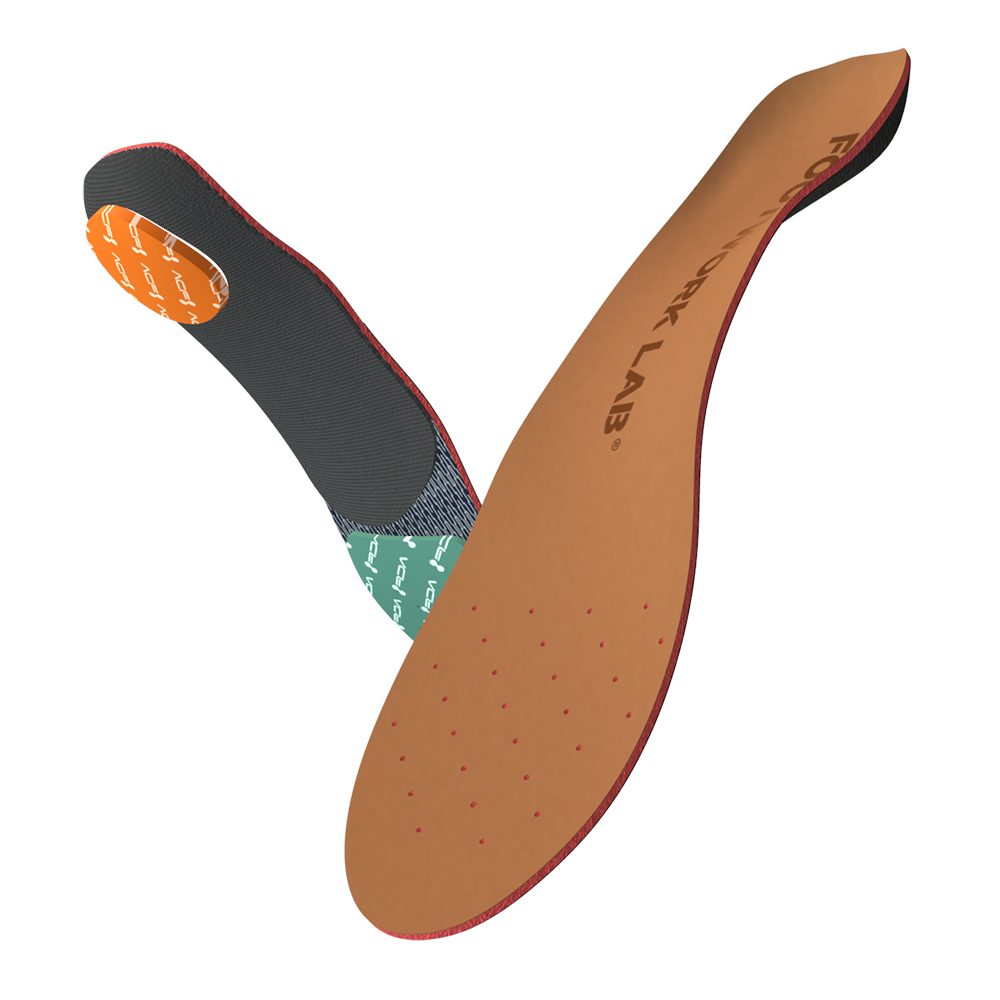
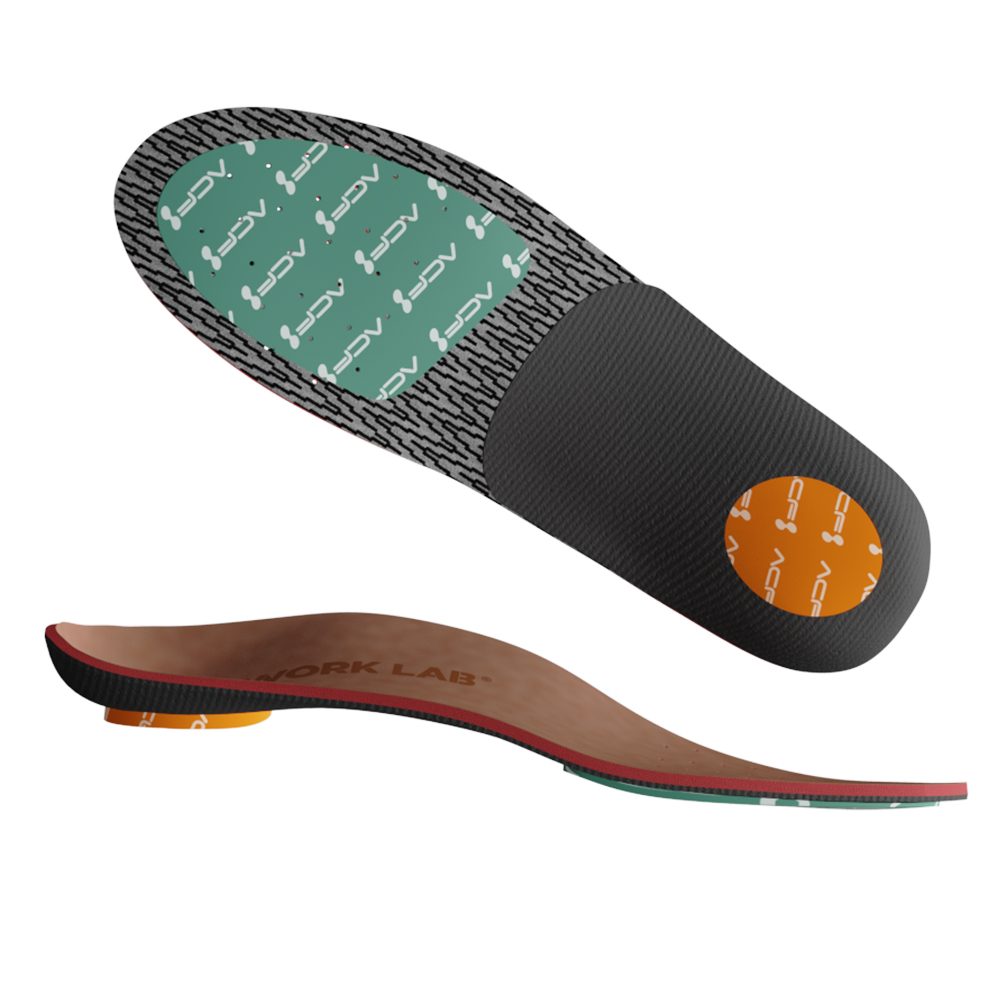
Broadly, the choices fall into a few groups. Cushioning layers absorb and distribute load and are
selected for their resilience over time. Supportive layers provide structure and maintain the shape
of the arch region. Top covers handle contact with the foot and influence how the pair feels and how
long it lasts. Forming processes shape the assembly to the intended profile and determine how
consistently that profile is reproduced across a production run.
Three questions cut through the marketing. How does the material behave after months of use
rather than on day one? How consistent is the finished profile between pairs in the same batch? And
what happens to the assembly when the intended activity pushes it repeatedly? A supplier who can
answer those three has a genuinely engineered product. A supplier who answers only with material
names has a catalogue.
It is also worth being explicit about what insole supply is not. An insole is a support and
alignment product. It is not a mechanism that changes the structure of a foot, and it is not a
substitute for professional judgement about a person’s care. Where a client’s requirement moves into
that territory, the appropriate response is to refer the question to the qualified professional
handling that person, not to adjust the product specification.
Manufacturing, inspection and what we do not claim
Insole production is a volume process with a quality system around it, and the quality system is
what separates a factory from an assembly bench. Our inspection routine begins with incoming
materials, continues through forming, and ends with a check of the finished pair against the
specified design. Where a batch does not conform, it is addressed at the point of detection rather
than shipped with a note.
The machinery side of our business is managed the same way, with every unit tested in-house
before dispatch during a seven-day testing period. That parallel is deliberate: both lines feed the
same customers, and a clinic buying insoles is often also buying the equipment that informs them.
On claims, we keep to what we can evidence. Our documentation covers European Union certification
and ISO quality system certification, and we describe that scope exactly rather than translating it
into something broader. We describe what our products do and are explicit about what they do not do.
And we decline to quote figures in a general article, because a number given without knowledge of
the specification, volume, packaging and destination would mislead rather than inform. Buyers who
want a quotation get one against their actual requirement.
A specification checklist you can send to any supplier
The most efficient insole enquiry we receive contains eight lines. Not because eight lines are
magic, but because each one removes an assumption that would otherwise be guessed.
- The footwear categories to be served, with an example model for each.
- Whether the footwear has a removable footbed, and what remains underneath it.
- The intended activity for each category.
- Whether the design is to be based on measured foot data, and if so, which measurements.
- Any requirement for identical designs across multiple sizes.
- Branding, packaging and labelling requirements.
- Expected order quantity and the intended pattern over a year.
- Any requirement that the pair carry a specific marking or documentation.
Send that to two or three suppliers and compare the replies rather than the prices. A supplier
who answers all eight specifically is telling you how the order will go. A supplier who answers
four and asks for a call about the rest is also giving you useful information.
Where a client is also specifying equipment, the two conversations belong together. Pressure and
alignment data informs how a design is specified, which is one reason we produce both; the
technology overview explains how measurement and forming connect in
our own workflow.
Frequently asked questions
What is your minimum order quantity for insoles?
Two hundred pairs, and models and sizes can be mixed within a single order. That structure is
deliberate: it lets a clinic or retailer trial a range of designs across real footwear instead of
committing a full order to one specification.
How quickly can I receive samples?
Samples ship within three days. Ask for them to be produced under the same process that will make
the bulk order, otherwise the sample tells you less than you think about what will arrive later.
Do you offer ODM and OEM on insoles?
Both. ODM allows the design to be adapted from our existing families, while OEM is built to your
own specification. The practical difference is where the design decision sits, and we are happy to
discuss which suits your business.
Can you make insoles for shoes with very little internal volume?
Usually yes, but the design has to start from the actual volume available rather than from the
foot measurement alone. If you tell us the footwear and whether the footbed is removable, we can
advise on what is realistic before anything is drawn.
What is your production capacity and lead time?
Insole capacity is roughly five hundred to one thousand pairs per day. Samples take three days,
and bulk lead time depends on specification and quantity, so it is worth confirming at enquiry
stage rather than assuming a standard window.
How are insoles inspected before shipping?
Inspection runs from incoming materials through forming to a check of the finished pair against
the specified design. Batches that do not conform are dealt with at the point of detection rather
than shipped with a note attached.
Do you supply the equipment that produces the foot data for a design?
Yes. We manufacture foot assessment equipment as well as insoles, and the minimum order quantity
for machines is a single unit, so a clinic can begin with one system and one insole family and
expand from there.
What we would do next
Start with the footwear rather than the design. Send the eight-line checklist to your shortlisted
suppliers, ask each for a sample produced under the bulk process, and compare the replies on
specificity. If you are also specifying equipment, read
how arch support is specified from foot data and
what goes into an arch support insole before you decide the order of
purchase. Our insole range is organised by use case, and the
FAQ page answers the commercial questions openly. For a specification discussion
against your own footwear list, contact the team.
This article is intended for professional and educational reference.
It is not medical advice. Foot assessment equipment produces measurements and images; clinical
interpretation and any decision about care remain the responsibility of a qualified professional.
Certification scope is limited to the documentation we hold: European Union certification and ISO
quality system certification.